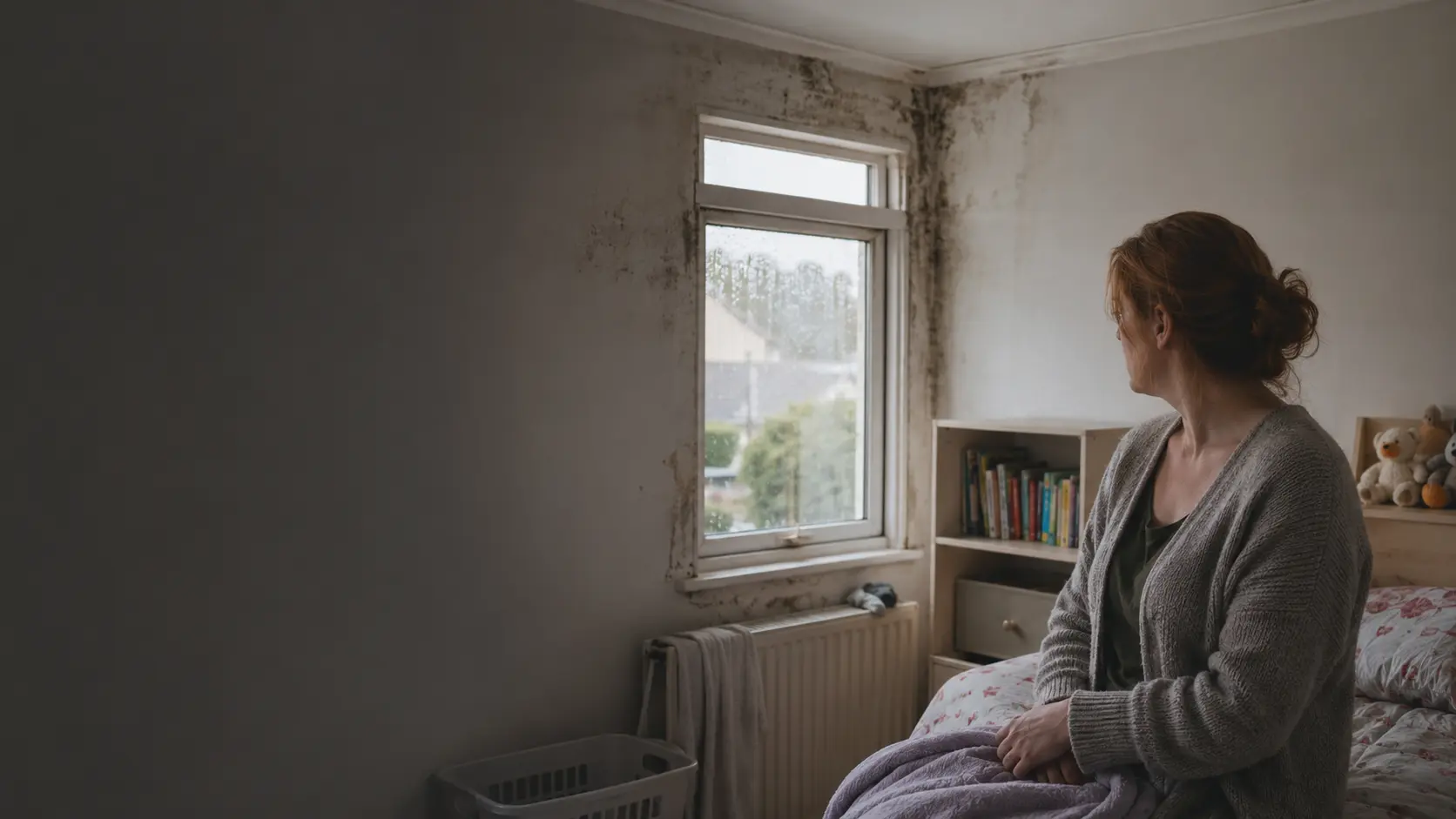
How SafeHousing Works
One guided path from a housing problem to a clear outcome. No account, no cost, and you approve every message before anything is sent.
Free to use · Guidance and tools, not legal advice
One guided path from a housing problem to a clear outcome. No account, no cost, and you approve every message before anything is sent.
Free to use · Guidance and tools, not legal advice
The idea
Most renters already know something is wrong. What is missing is not willpower, it is knowing the next small step. SafeHousing breaks the process into four stages: document what is happening, put it in writing, follow up on time, and escalate to the right people if it is still not sorted. Each stage is simple on its own, and together they build a case that is hard to ignore.
You move through the stages at your own pace, using whichever tools you need. Nothing is compulsory, and nothing happens automatically.
The four stages
Photos, dates and notes, gathered with the evidence checklist, build a case file that stands on its own.
The letter generator drafts a calm, factual report to your landlord or agent. You review it and send it yourself.
A fair deadline keeps things moving, so a problem never quietly disappears because no one followed up.
Still not sorted? The escalation guide routes you to your local authority, the RTB, Threshold or Citizens Information.
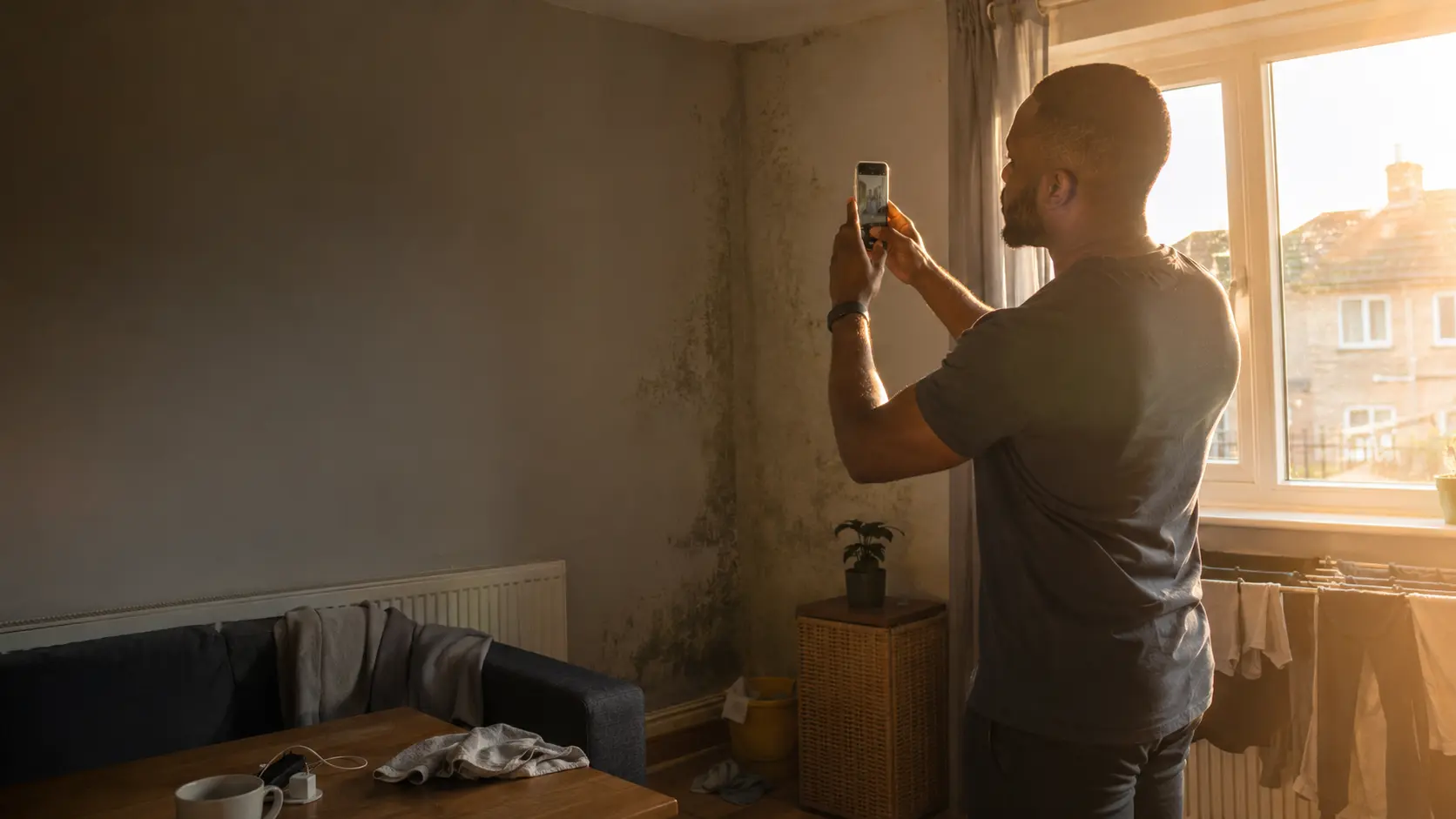
Stage one, in practice
You do not need a system or any special skill. A phone and a little consistency are enough: a wide shot of the room, a close-up of the problem, and the date, repeated whenever something changes. The evidence checklist walks you through exactly what to capture, room by room.
What SafeHousing is, and is not
SafeHousing helps you do the practical, repeatable things that move a housing problem forward: documenting it, writing about it clearly, and following up on time. It does not replace advice from a qualified professional, and it does not act on your behalf.
Common questions
Yes. Every tool and guide on SafeHousing is free, with no sign-up and no hidden cost. There is nothing to pay at any stage.
No. SafeHousing drafts letters and reminders for you, but you always review, edit and send them yourself, by whatever method you choose. Nothing is ever sent on your behalf.
No. SafeHousing gives practical guidance and tools, not legal advice. For advice on your specific situation, contact Threshold, Citizens Information or a qualified professional. If anyone is in immediate danger, contact the emergency services on 112.
That is completely fine. Nothing is saved anywhere unless you choose to download, copy or send it, so there is no case sitting on a server, and no pressure to finish in one go.
Yes. What you type into the mould checker and letter generator stays on your device. SafeHousing does not collect or store your answers, and nothing leaves your device unless you choose to send it.
Every home should be safe to live in
Documenting your problem is the first step, and it takes minutes. See where your case stands, free and private.