Broken heating, a leak, dodgy electrics or an appliance that has given up. Here is what your landlord must fix, and how to ask so the repair actually happens.
Free to use · Guidance and tools, not legal advice
Last updated 8 July 2026
Start here
Getting Repairs Done Starts with a Clear, Dated Written Request
Getting repairs done in a rented home comes down to one habit that changes everything: put it in writing. A text or a passing mention in the hall is easy to forget and impossible to prove. A dated message that names the fault, asks for a repair and sets a fair timescale creates a record, and a record is what moves a landlord or agent from good intentions to an actual booking.
Your landlord is responsible for keeping the home to the minimum standards for rented accommodation, which cover the structure, heating, hot water, ventilation, electrics, plumbing and any appliances they provided. The steps below help you request repairs in the way most likely to get them done.
Before you go further
This is general guidance, not legal advice. For advice on your own tenancy, contact Threshold or Citizens Information. If anyone is in immediate danger, call 112 first.
Your plan
Four Steps to Get a Repair Done
STEP 1
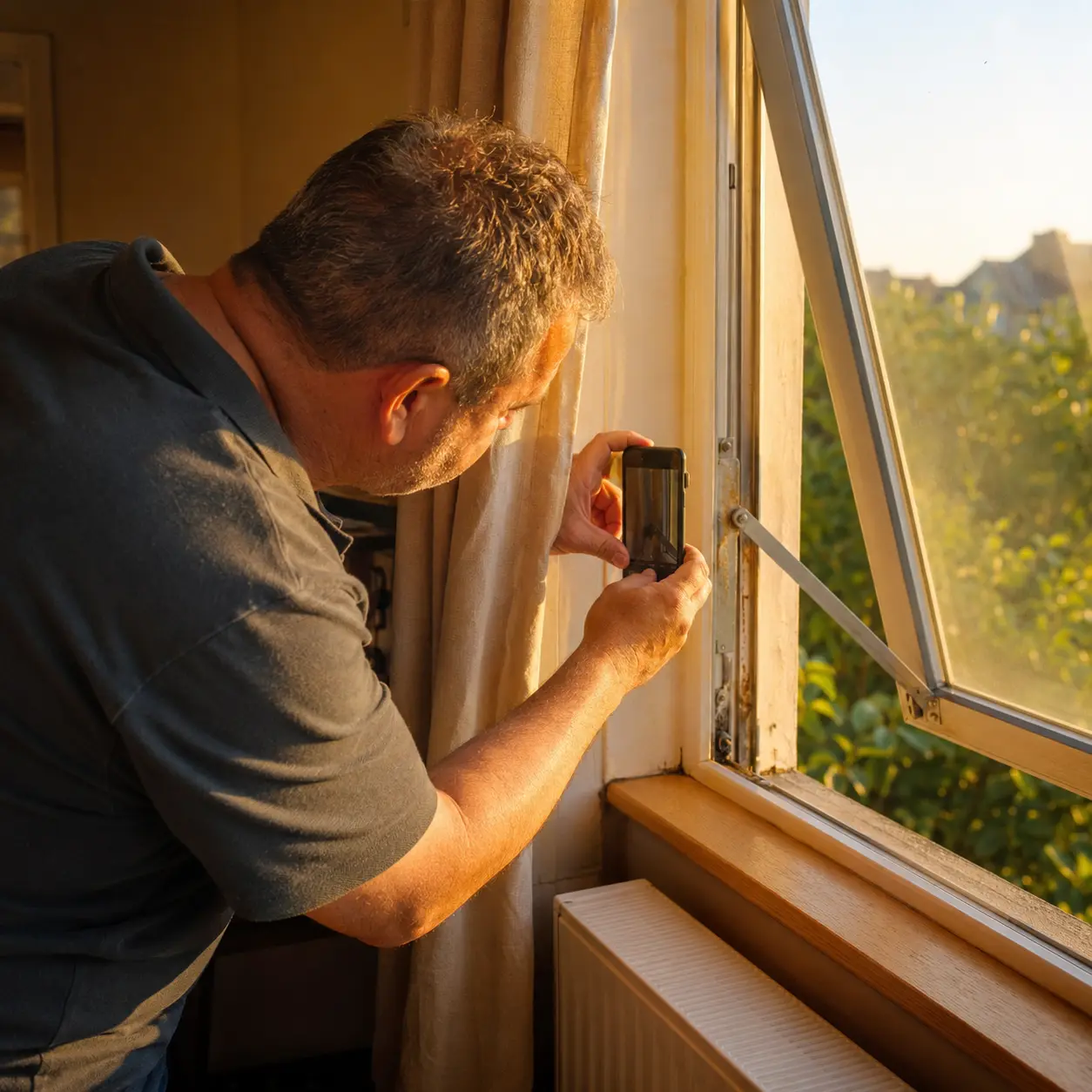
Capture the Fault
Photo or video the problem with the date, and note when you first noticed it.
STEP 2
Request It in Writing
Name the fault, ask for the repair, and set a fair deadline. The letter generator does this for you.
STEP 3
Offer Access
Say clearly when a contractor can call. Removing that excuse speeds things up.
STEP 4
Escalate If Ignored
Deadline passed? A formal follow-up, then your local authority housing standards section.
Match the pace to the problem
How Fast Should an Urgent Repair Be Fixed?
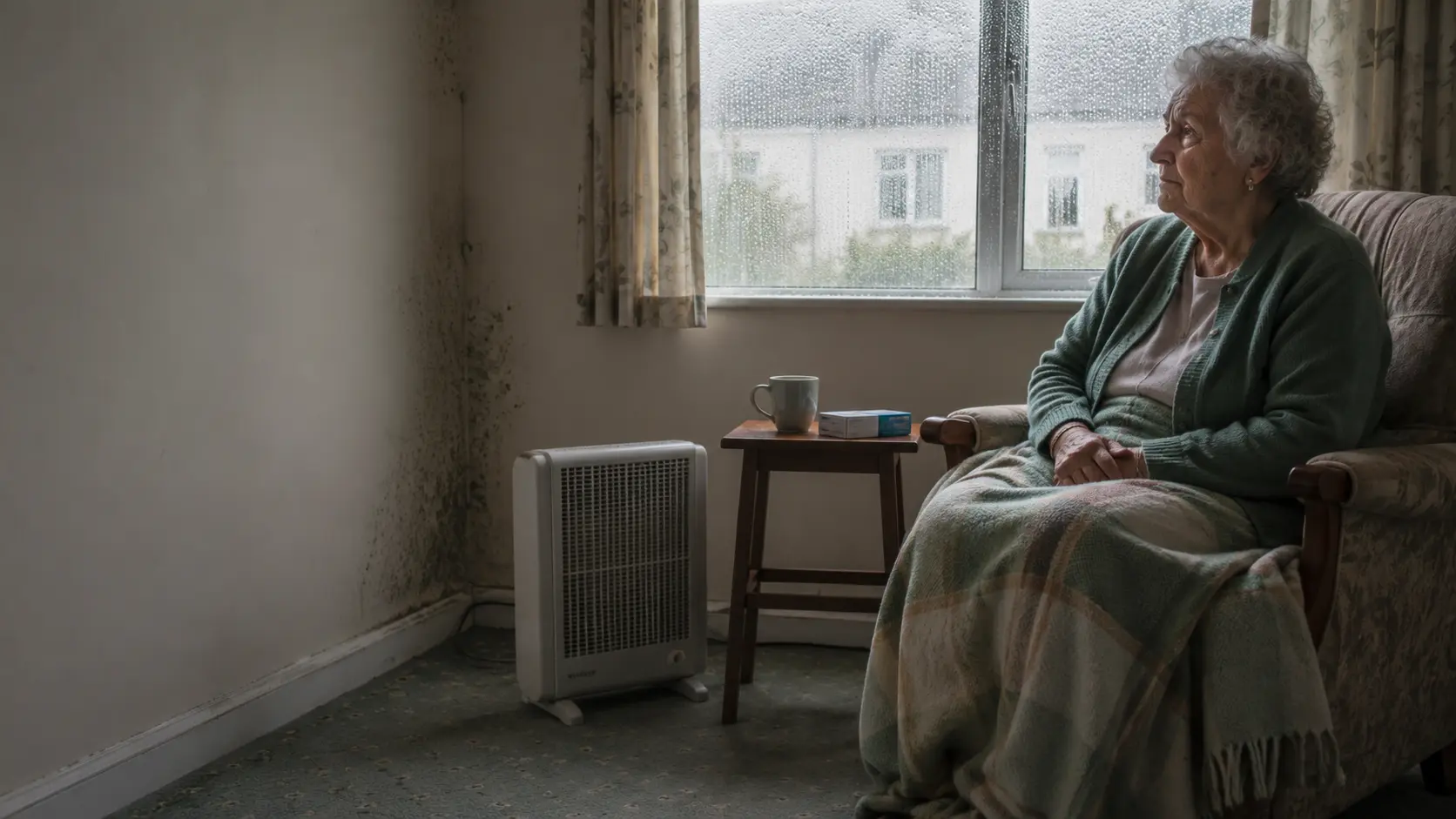
Not every repair moves at the same speed, and it is fair to ask for quicker action when the problem affects safety or makes the home hard to live in. Say so plainly in your request, and where there is real danger, do not wait for the normal process.
Emergency now: gas smell, flooding, unsafe electrics, no heat in severe cold for a vulnerable person
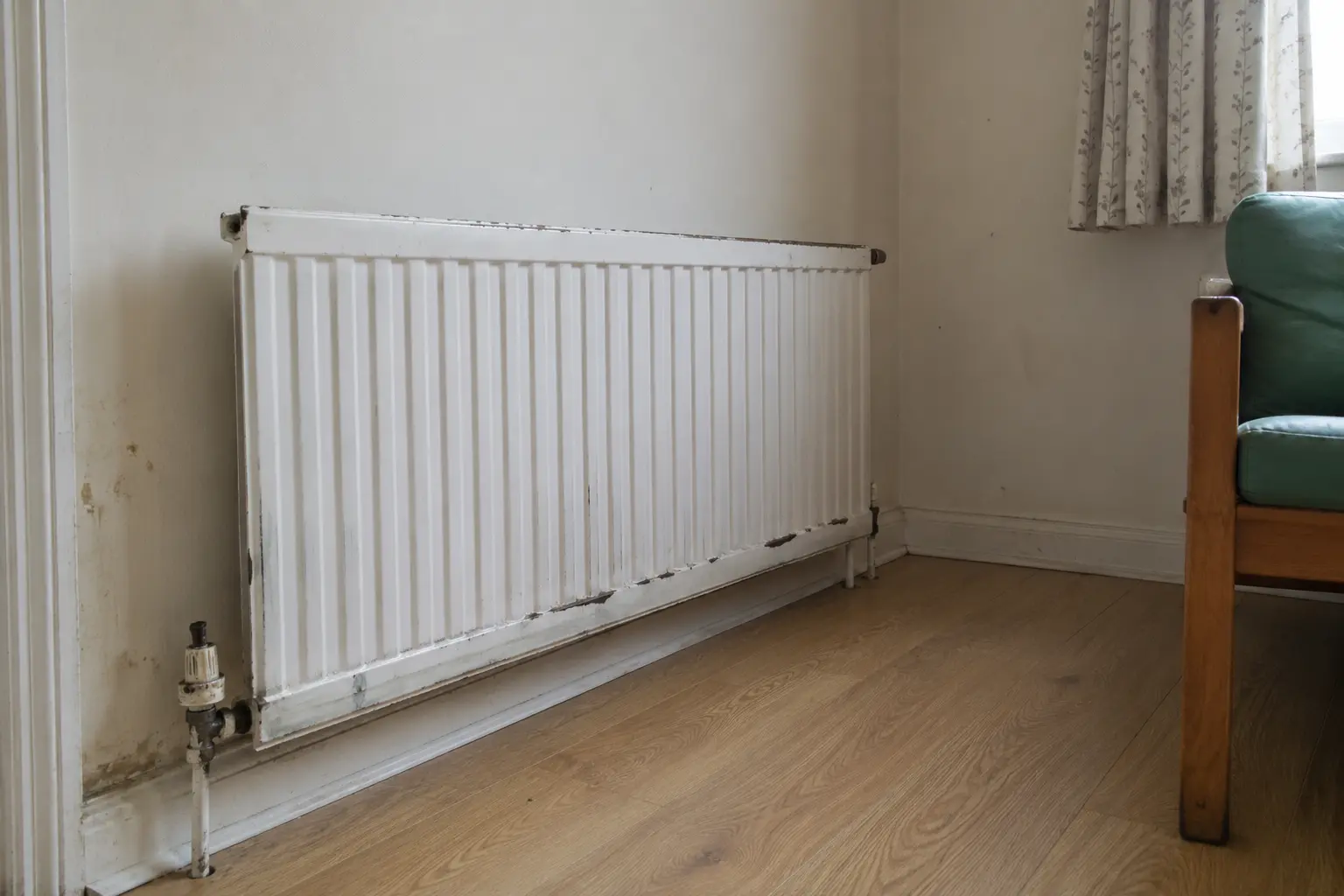
Urgent within days: no heating or hot water, an active leak, a broken lock
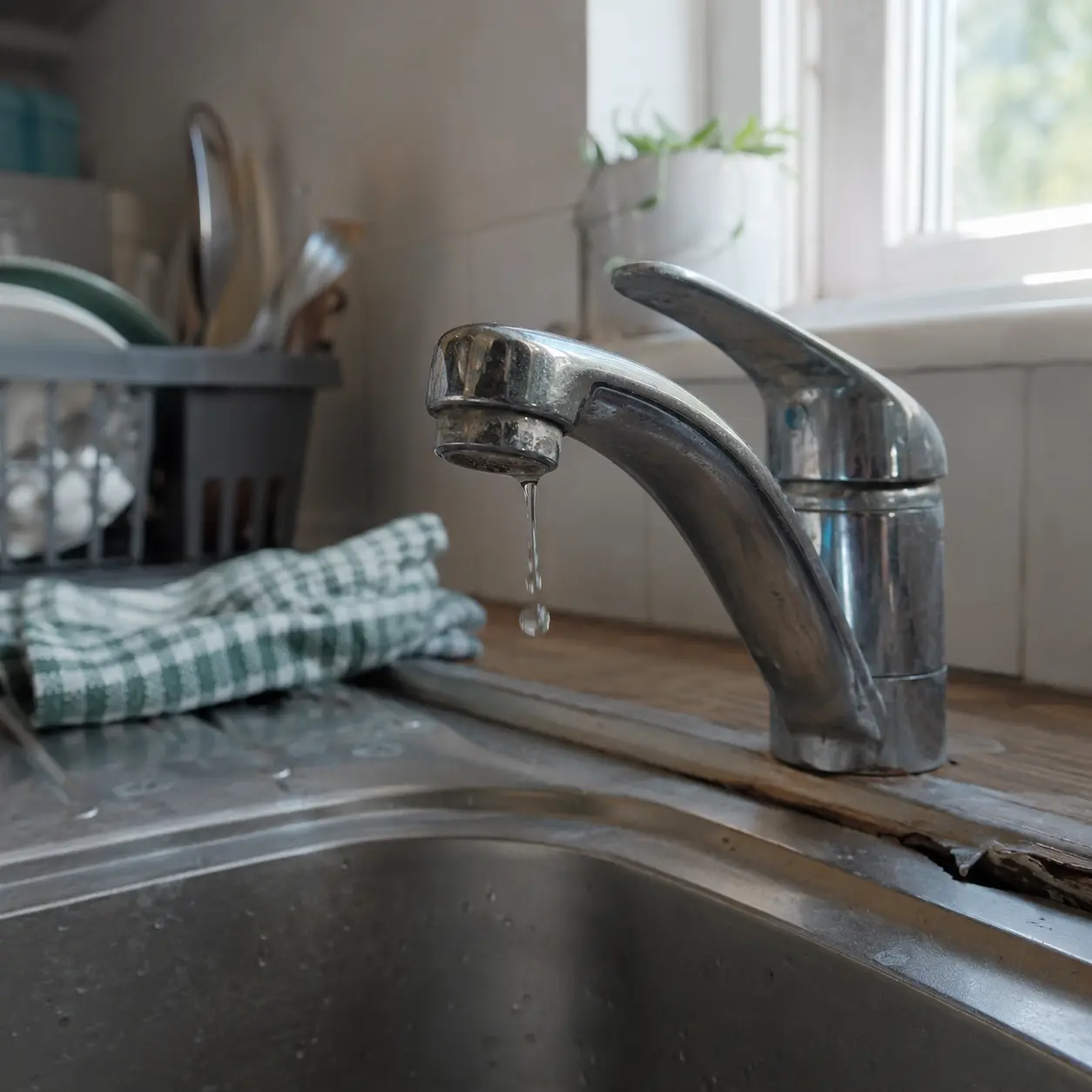
Routine soon: dripping taps, a faulty extractor fan, minor wear
Turn your repair into a written request the landlord can act on. Build my letter
Common questions
Getting Repairs Done as a Renter in Ireland
What repairs is my landlord responsible for in Ireland?
Your landlord must keep the structure and exterior in good repair and maintain the services that make a home fit to live in, including heating, hot water, ventilation, electrics, plumbing and the appliances they provided. The minimum standards for rented accommodation set out what a rented home must have and be kept to.
What counts as an urgent or emergency repair?
A loss of heating or hot water, a serious leak or flooding, unsafe electrics, a gas smell or anything that puts health or safety at immediate risk is urgent and should be dealt with quickly. For anything dangerous right now, contact your landlord immediately and, if there is a risk to safety, your local authority or the emergency services.
How long does a landlord have to carry out repairs?
There is no single fixed number that fits every repair, so what matters is a reasonable timescale for the type of problem. Urgent safety issues need action within days, while routine repairs can take a little longer. A written request with a clear, fair deadline sets the expectation and starts your record.
The landlord promised to fix it but nothing happened. What now?
A verbal promise is easy to forget and hard to prove. Put the agreed repair in writing, referencing the date it was promised, and ask for a firm date. If the deadline passes, a formal request and then escalation to your local authority are the next steps. Keep every message.
Can I arrange the repair myself and deduct it from the rent?
Do not do this without advice. Repairing and deducting can go wrong and put your tenancy at risk if it is not handled correctly. Keep paying your rent, keep requesting the repair in writing, and get advice from Threshold or Citizens Information before taking any step that involves your rent.
What evidence should I keep about a repair?
Dated photos or video of the fault, a note of when you first noticed it, copies of every message asking for the repair, and any replies. If the fault has damaged your belongings, photograph that too. This record is what makes a request impossible to wave away and supports any later escalation.