Whatever is wrong in your rented home, there is a clear path to getting it fixed. Find your problem, follow the steps, and use the free tools to do the hard parts for you.
Free to use · Guidance and tools, not legal advice
You are not on your own with this
Help for renters in Ireland is not about learning tenancy law. It is about doing the right small thing next, then the one after that. Report the problem in writing. Give it a fair few days. Follow up formally if nothing happens. Bring in your local authority or Threshold if it is still ignored. Each step is simple on its own, and together they add up to a case that gets results.
Pick the problem closest to yours below. Every page gives you plain steps, tells you whose responsibility it is, and hands you straight to the letter that moves it forward. If nothing here matches exactly, start with the mould and damp checker, it takes a minute and points you to the right guide.
Find your problem
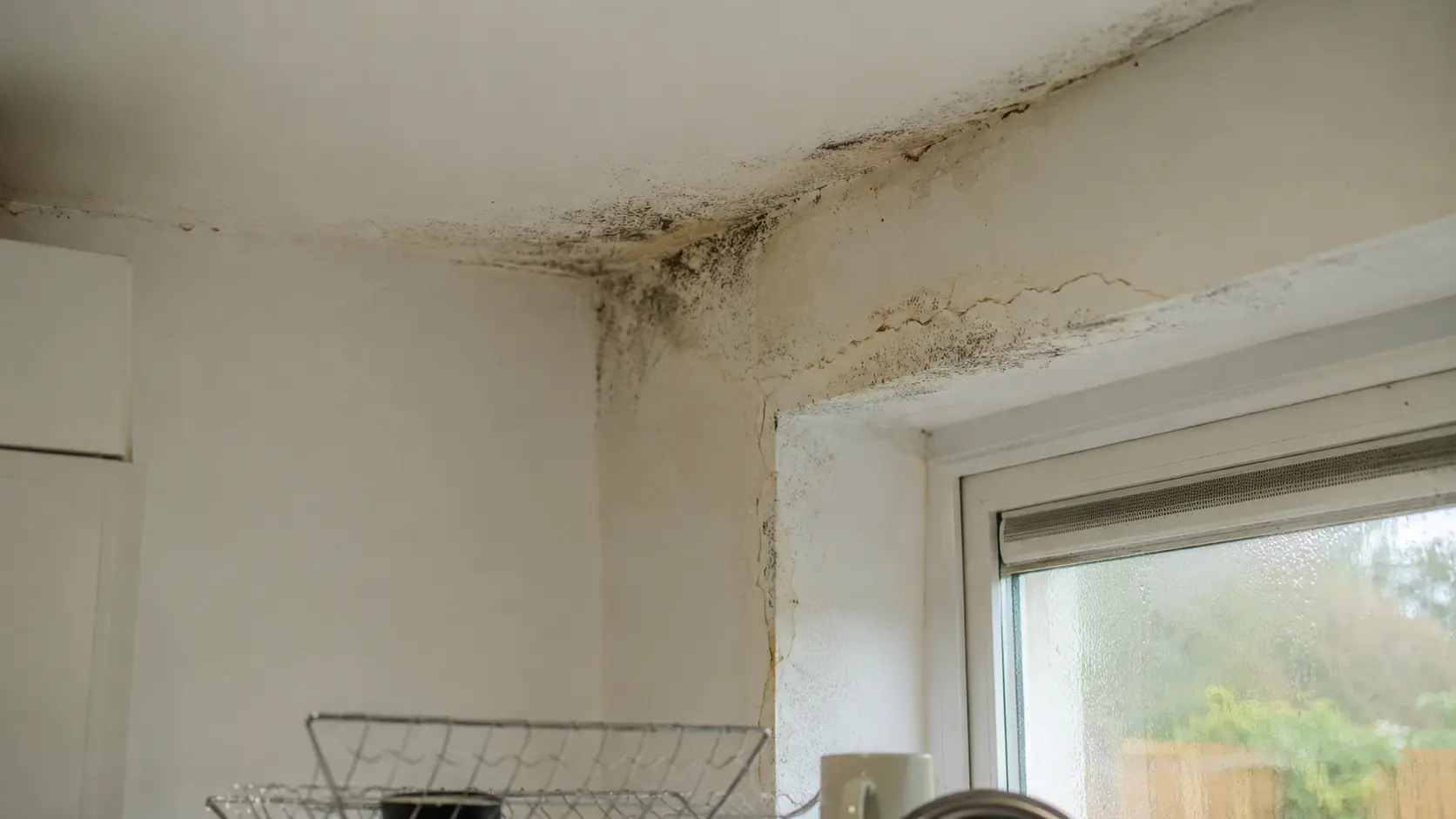
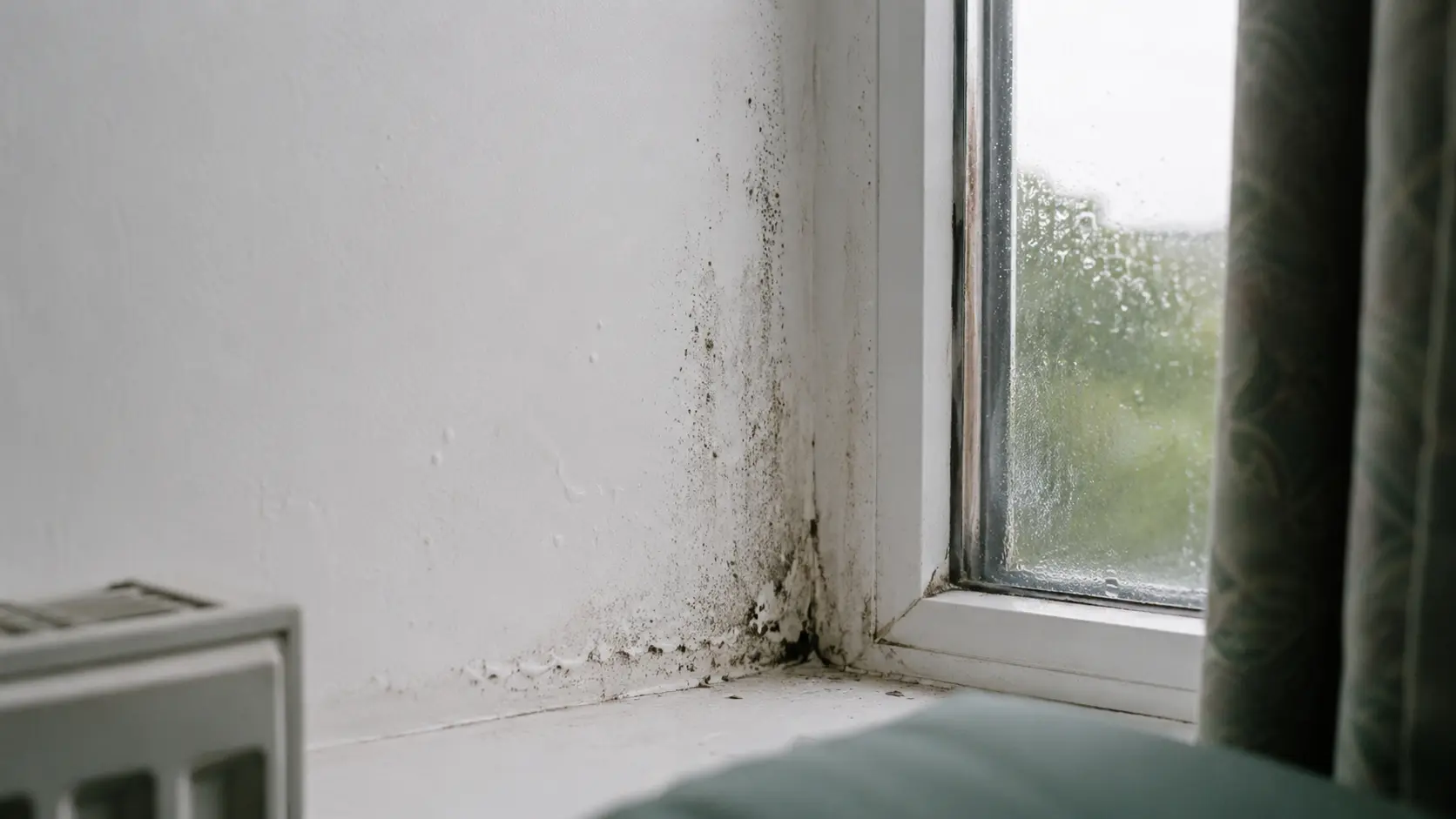
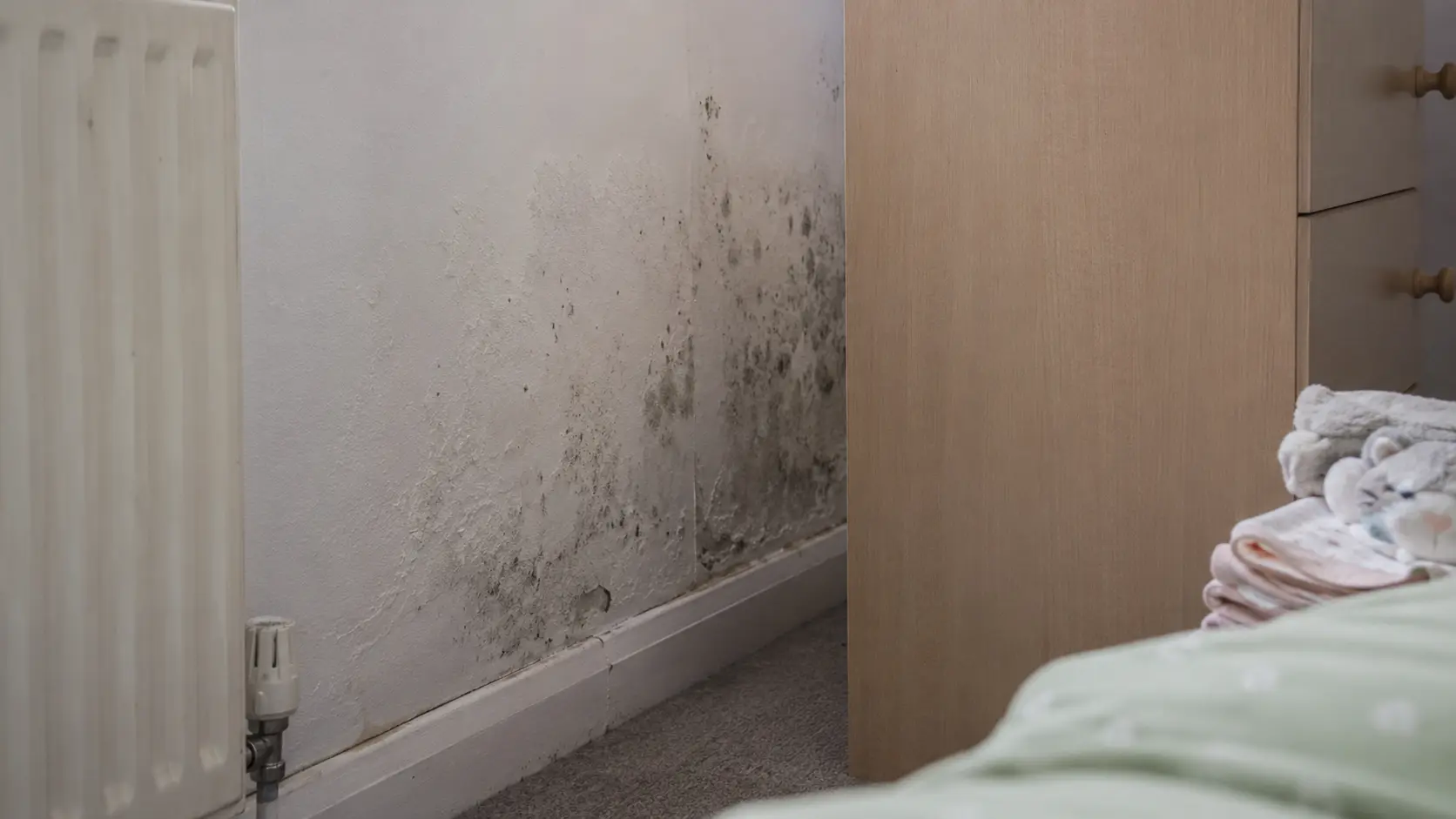
Black spots on walls, ceilings or around windows. What it means and how to get it treated at the source.
Updated 8 July 2026
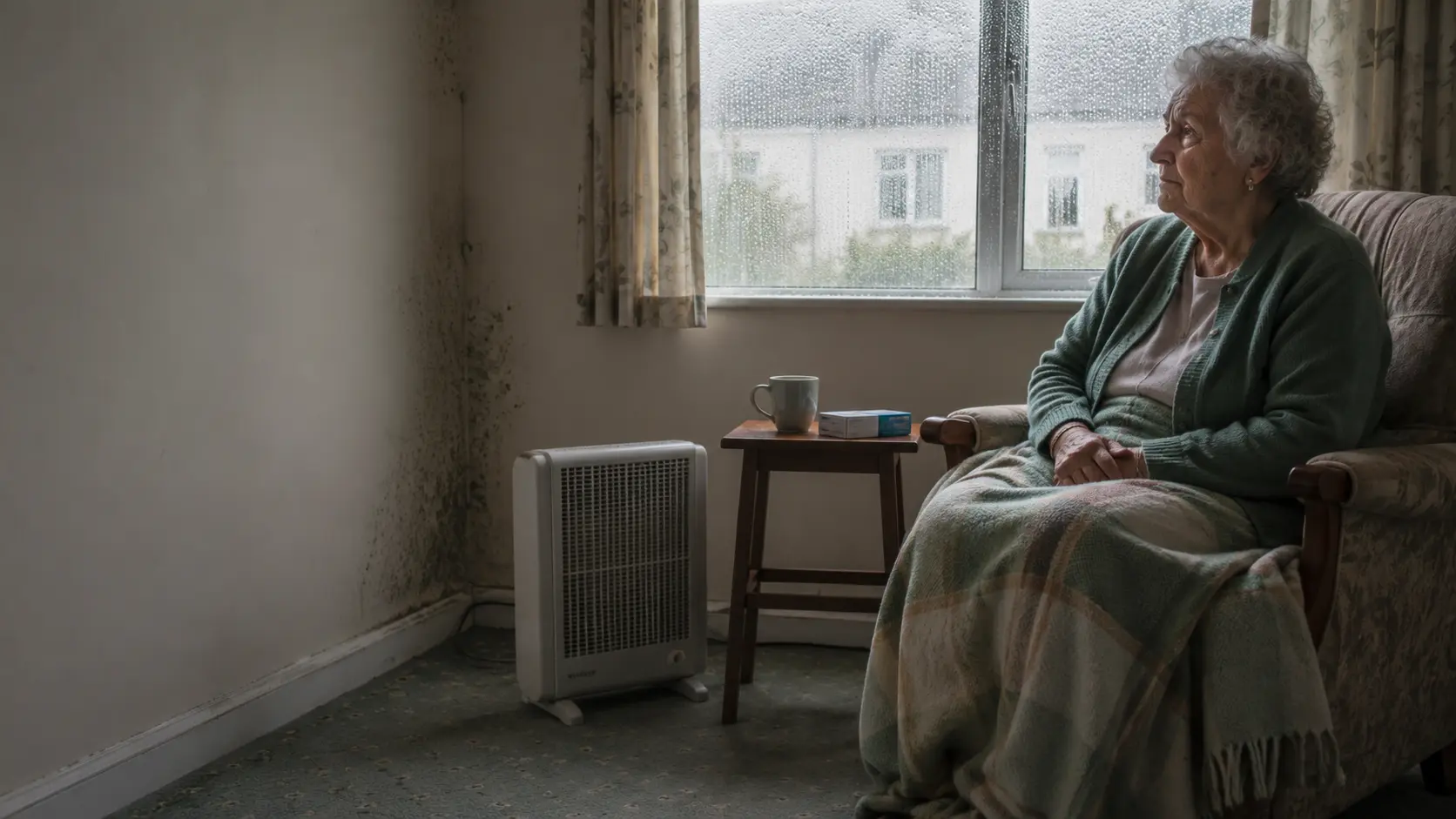
Wet walls, streaming windows and lingering smells. Find the cause and stop it coming back.
Updated 8 July 2026
Broken heating, leaks and faults your landlord must fix, and how to ask so it happens.
Updated 8 July 2026
The follow-up sequence that turns silence into action, one step at a time.
Updated 8 July 2026
The checklist that makes your case impossible to wave away. Photos, dates and records.
Updated 8 July 2026
Local authority, Threshold, Citizens Information and the RTB. Who does what, and when.
Updated 8 July 2026
Common questions
Your landlord must keep the property to the minimum standards for rented accommodation set out in law, covering structural repair, damp, heating and safe electrics. You also have the right to quiet enjoyment of your home and protections against being penalised for raising a genuine problem.
No. Except in a genuine emergency, a landlord or agent needs to give reasonable notice, usually at least 24 hours, and arrange a time that suits you before entering.
Different rules can apply if you are renting a room in your landlord’s own home rather than a self-contained tenancy. Citizens Information can help you work out which category applies to you and what protections follow.
They cover the situations most private and approved-housing-body renters face. If your tenancy is unusual, such as employment-linked accommodation, get advice from Threshold to confirm exactly which rules apply to you.
No. There are protections against a landlord penalising a tenant, including through eviction, for asserting their rights in good faith. Keeping your complaints factual and in writing, the way SafeHousing’s tools help you do, protects you further.
Every home should be safe to live in
Every renter who gets results started with one clear written request. Generate yours now, free, private, and yours to send whenever you are ready.