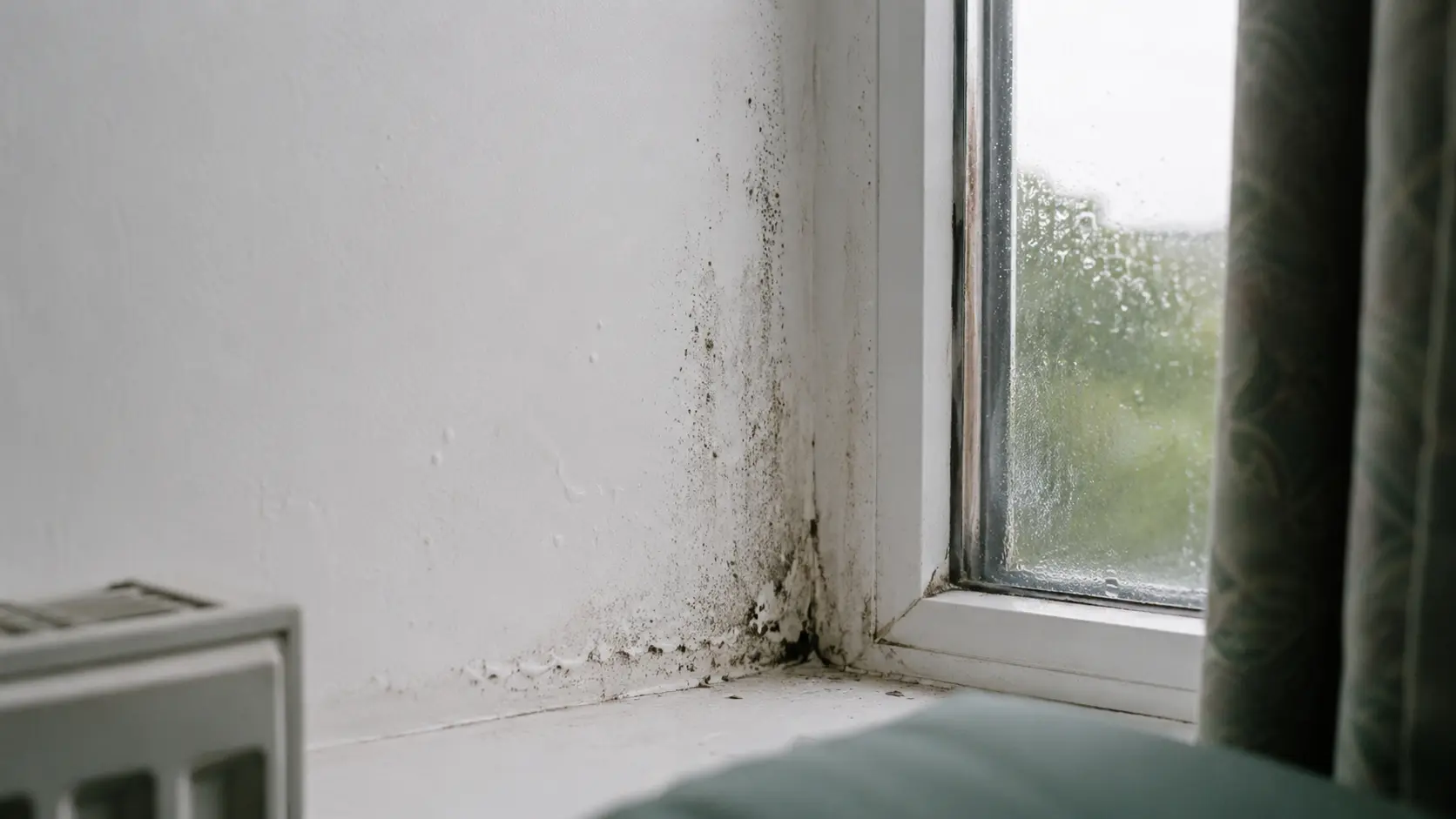
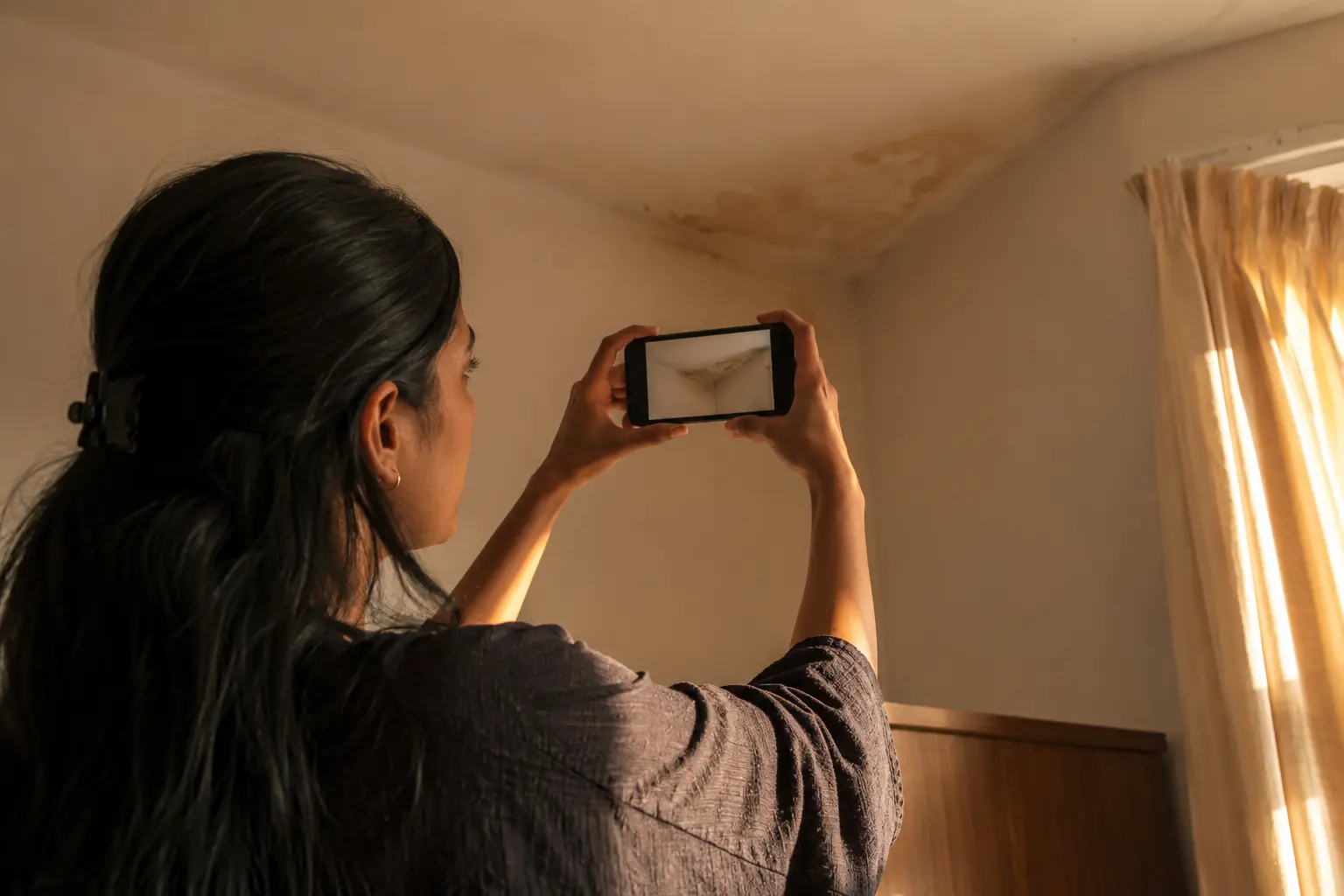
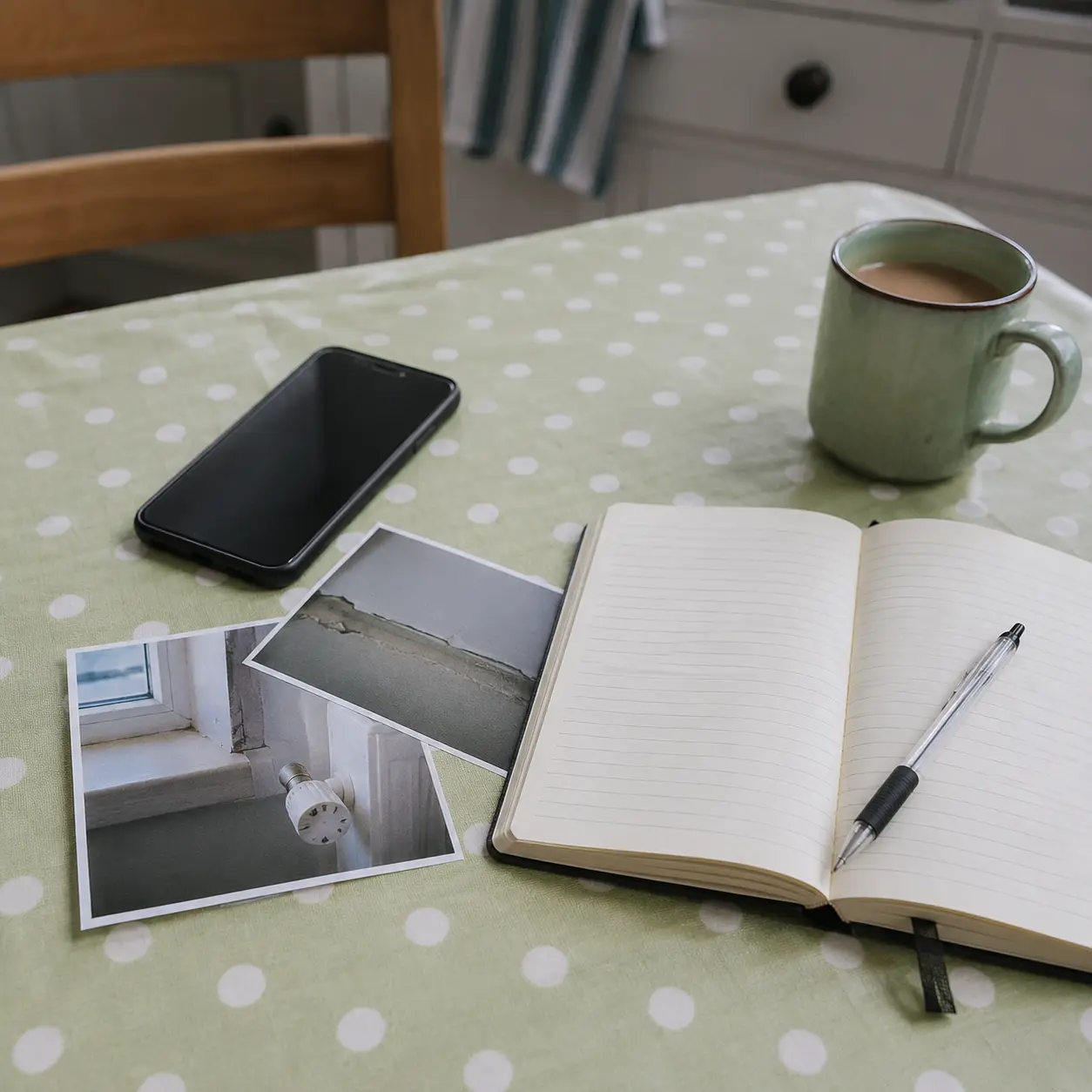
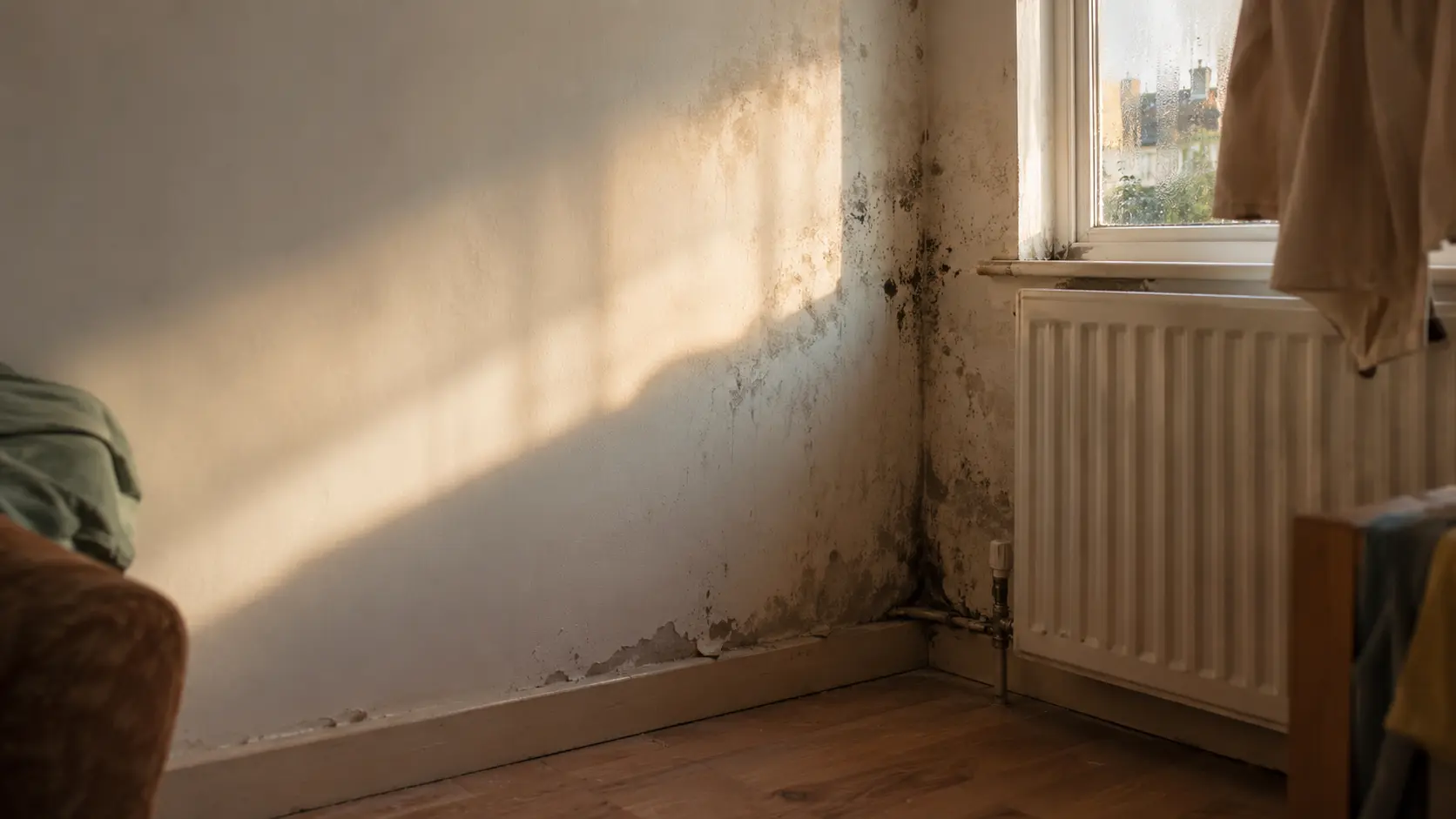
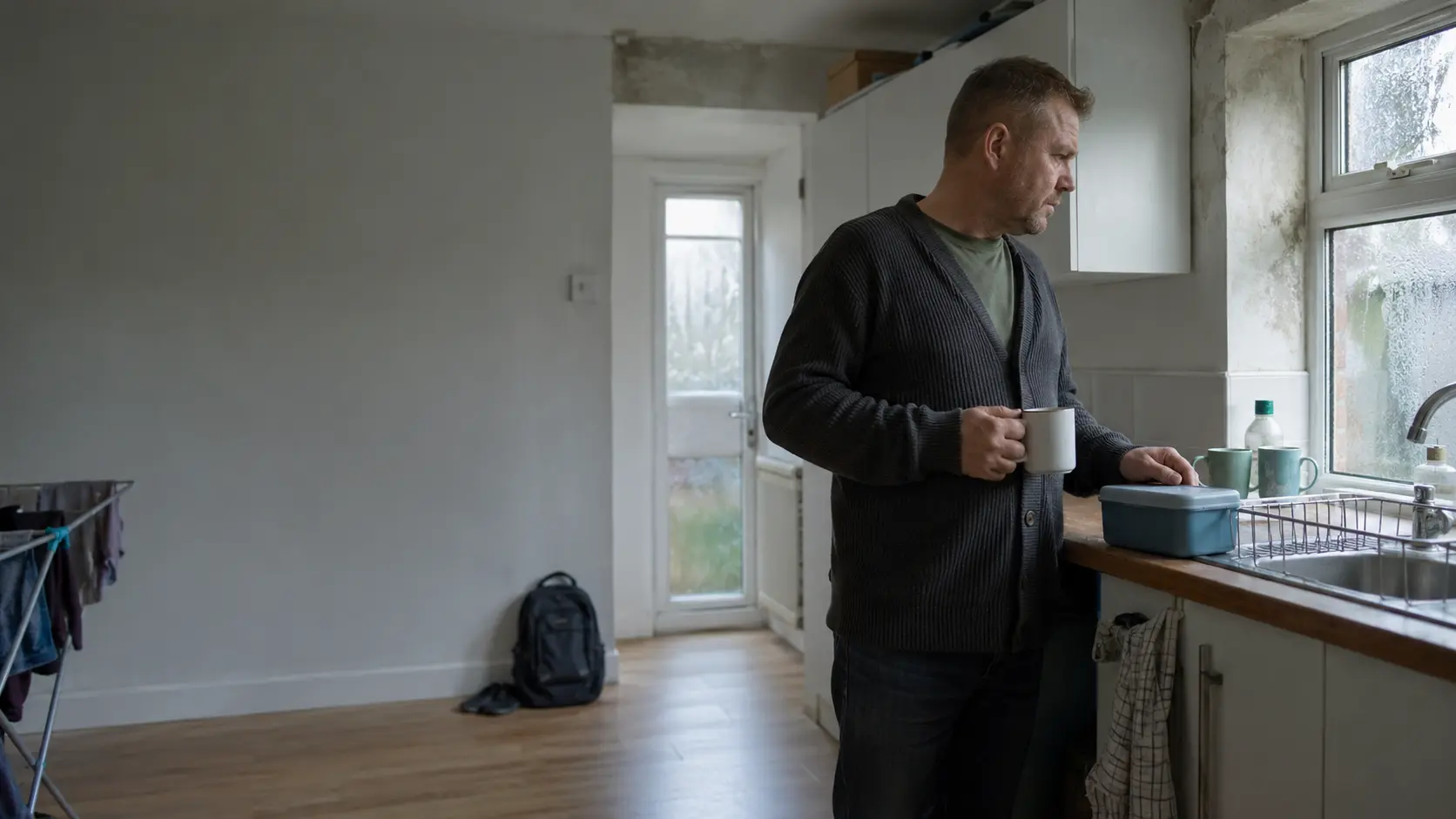
A strong case is a documented one. Work through this checklist to build a record of your housing problem that no landlord, council or tribunal can dismiss.
Free to use · Guidance and tools, not legal advice
Last updated 8 July 2026
Start here
Your Evidence Checklist Is What Turns a Complaint Into a Case
An evidence checklist sounds like admin, but it is the single biggest thing that separates renters who get results from those who get ignored. A problem you describe is your word against the landlord’s. A problem you can show, with dated photos, saved messages and a simple timeline, is a fact that stands up on its own. That is the difference between a phone call that fades and a case that holds.
You do not need anything fancy. A phone and a little consistency are enough. Work through the list below, keep everything in one place, and you will be ready to report the problem, follow up, or escalate with confidence.
Before you go further
This is general guidance, not legal advice. For advice on your own tenancy, contact Threshold or Citizens Information. If anyone is in immediate danger, call 112 first.
Four habits
Build a Solid Evidence File in Four Habits
STEP 1
Start Today
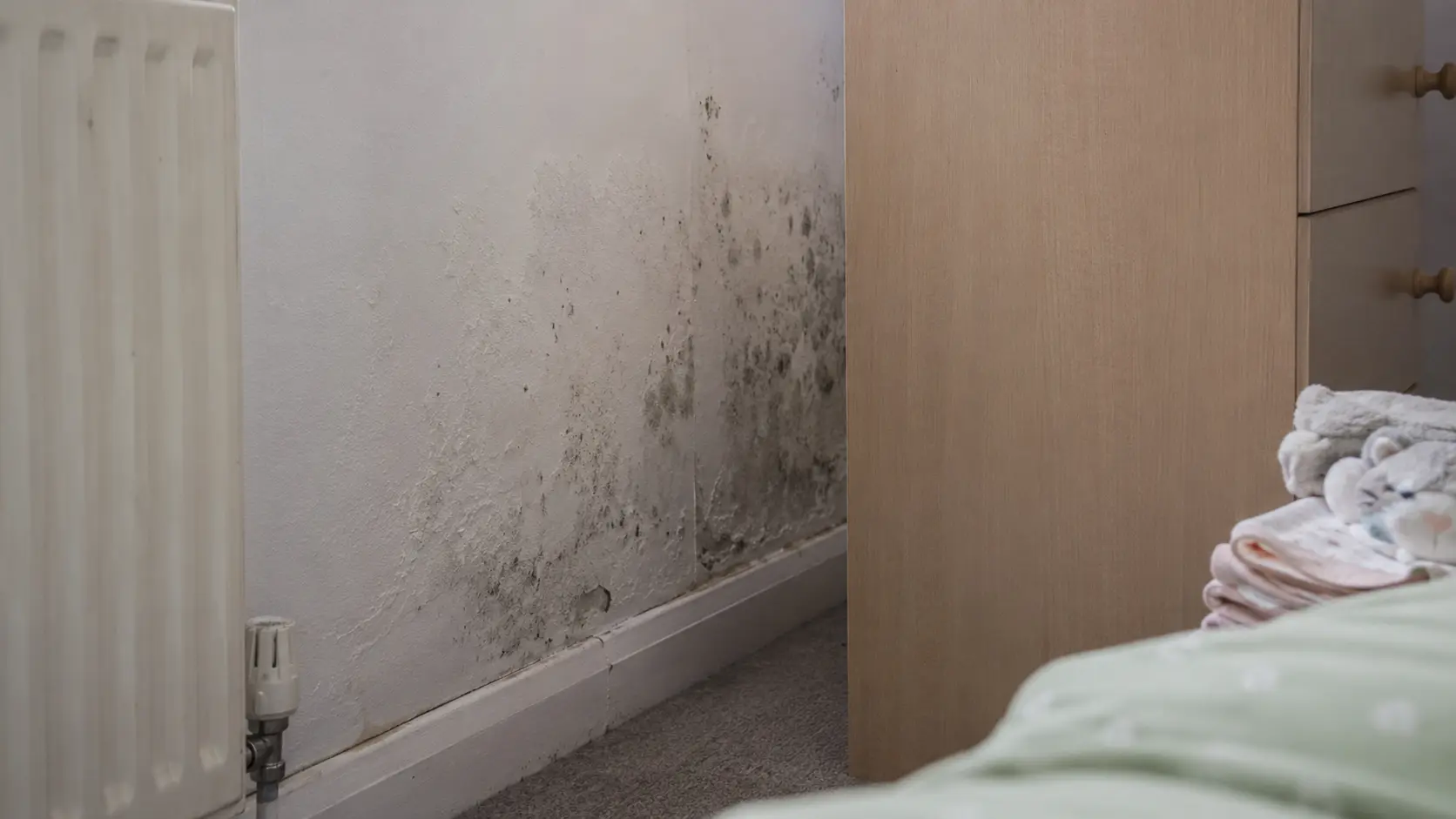
Photograph what you can see right now, a wide shot and a close-up, with today’s date.
STEP 2
Save What Exists
Screenshot any messages, texts or app conversations you have already sent or received.
STEP 3
Log It Going Forward
Add one line to your timeline every time something happens, so nothing gets forgotten.
STEP 4
Keep It in One Place
Store photos, messages and your timeline together, ready to hand over in seconds.
What it looks like in practice
Is Building an Evidence Record Really That Quick?
You are not building a case file from scratch. You are collecting what you would take anyway, a little more deliberately: a photo of the problem, the messages you already sent, a note of the date. Keep it together in one place and it does the work for you later.
A wide shot, then a close-up, every time something changes
What to Capture, Room by Room and Message by Message
Photos and Video
A wide shot of each affected room
Close-ups of the mould, damp or fault
Anything damaged: clothes, furniture, belongings
New photos over time to show change
Communication
Every message you sent, with dates
Every reply, or a note of no reply
Screenshots of texts and app messages
Any promises made and dates given
Details and Records
When you first noticed the problem
Any health effects on the household
Inspection or contractor visits and dates
Reference numbers from any body you contact
Evidence ready? Turn it into a clear report to your landlord. Build my letter
Keep it simple
Build a Timeline You Can Hand Over in One Go
A timeline is just a dated list of what happened, kept in order. It is the quickest way for anyone helping you to understand your case at a glance, and it makes writing your letters far easier because the facts are already lined up.
Start with the day you first noticed the problem, then add each report you sent, each reply or silence, any inspection or contractor visit, and any promises with the dates they were given for. Keep it factual and short, one line per event, and update it as things happen.
Save your photos, screenshots and this timeline together in one folder, on your phone or emailed to yourself, so you can share the whole record in seconds if a local authority, Threshold or the RTB asks for it. That readiness is what makes escalation smooth rather than stressful.
Common questions
Gathering Evidence as a Renter in Ireland
Why does evidence matter so much?
Evidence turns your word against the landlord’s word into a documented fact. Dated photos show when a problem started and how it spread. Saved messages show you reported it and gave time to fix it. When a local authority inspector, Threshold or the RTB looks at your case, this record is what they rely on.
Do my photos need to be professional?
No. A clear phone photo is perfect. What matters far more than quality is that photos are dated and show both the wider room and a close-up of the problem. Take them in daylight where you can, and keep taking them over time so you can show whether things improve or get worse.
How do I prove the date of a photo?
Most phones store the date automatically in the photo details. You can also take a photo that includes something with the day’s date visible, or note the date when you save it. The key is consistency, so keep your photos together and in order.
Should I keep WhatsApp and text messages too?
Yes. Screenshots of texts, WhatsApp messages and letting-app conversations are all valuable evidence of what was reported and when, and of any replies or promises. Save them somewhere safe outside the app in case you lose access to your phone.
What if I did not photograph the problem when it started?
Start now. It is never too late to begin building a record, and a photo taken today with honest notes about when you first noticed the problem is still strong. Going forward, capture each stage so the timeline is clear from here on.