Wet walls, streaming windows and that smell that never fully lifts. Damp is a housing standards issue, and here is how to report it so the cause gets fixed, not just covered up.
Free to use · Guidance and tools, not legal advice
Last updated 8 July 2026
Start here
Damp in a Rented Home in Ireland Is a Repair Issue with a Clear Cause
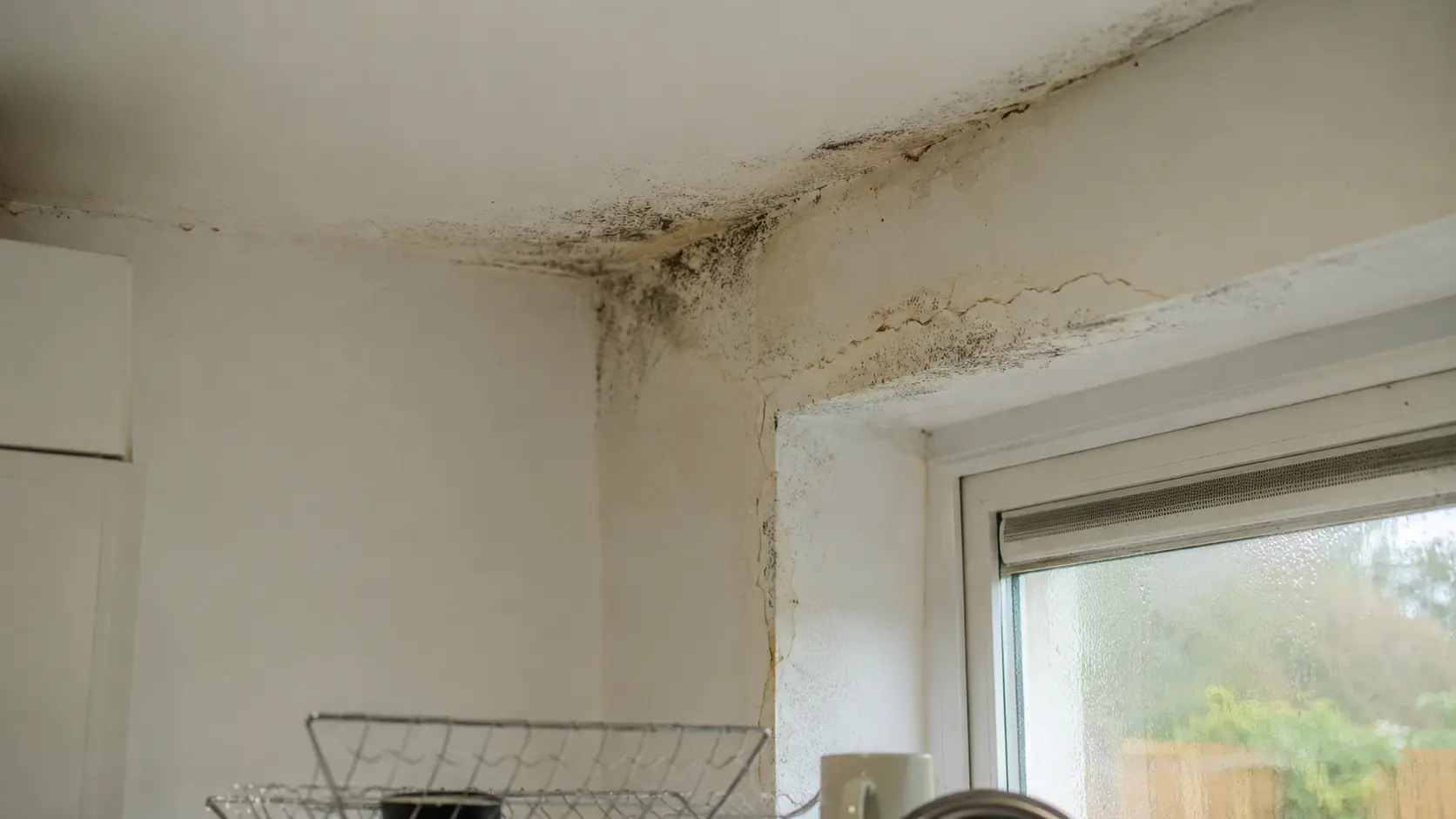
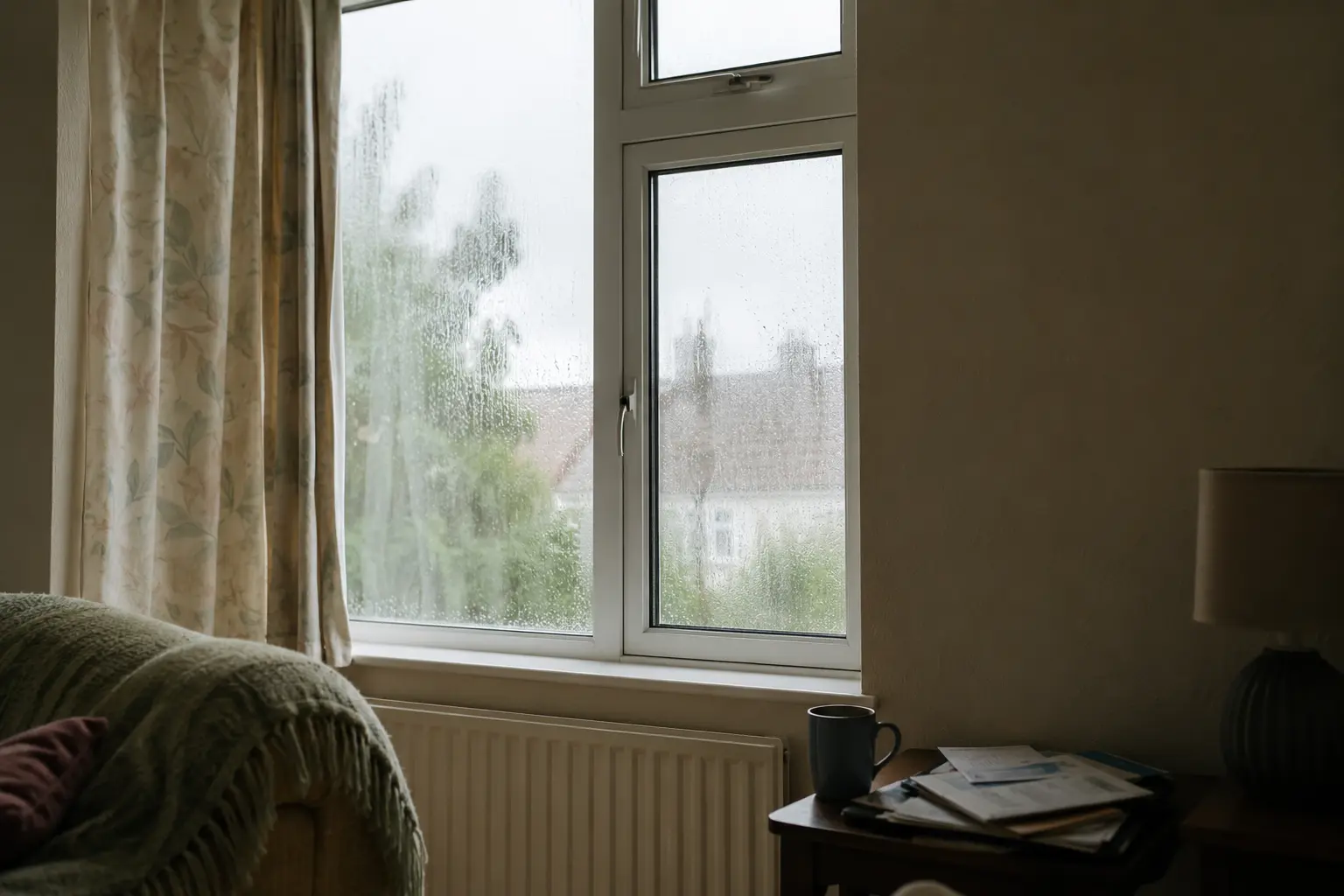
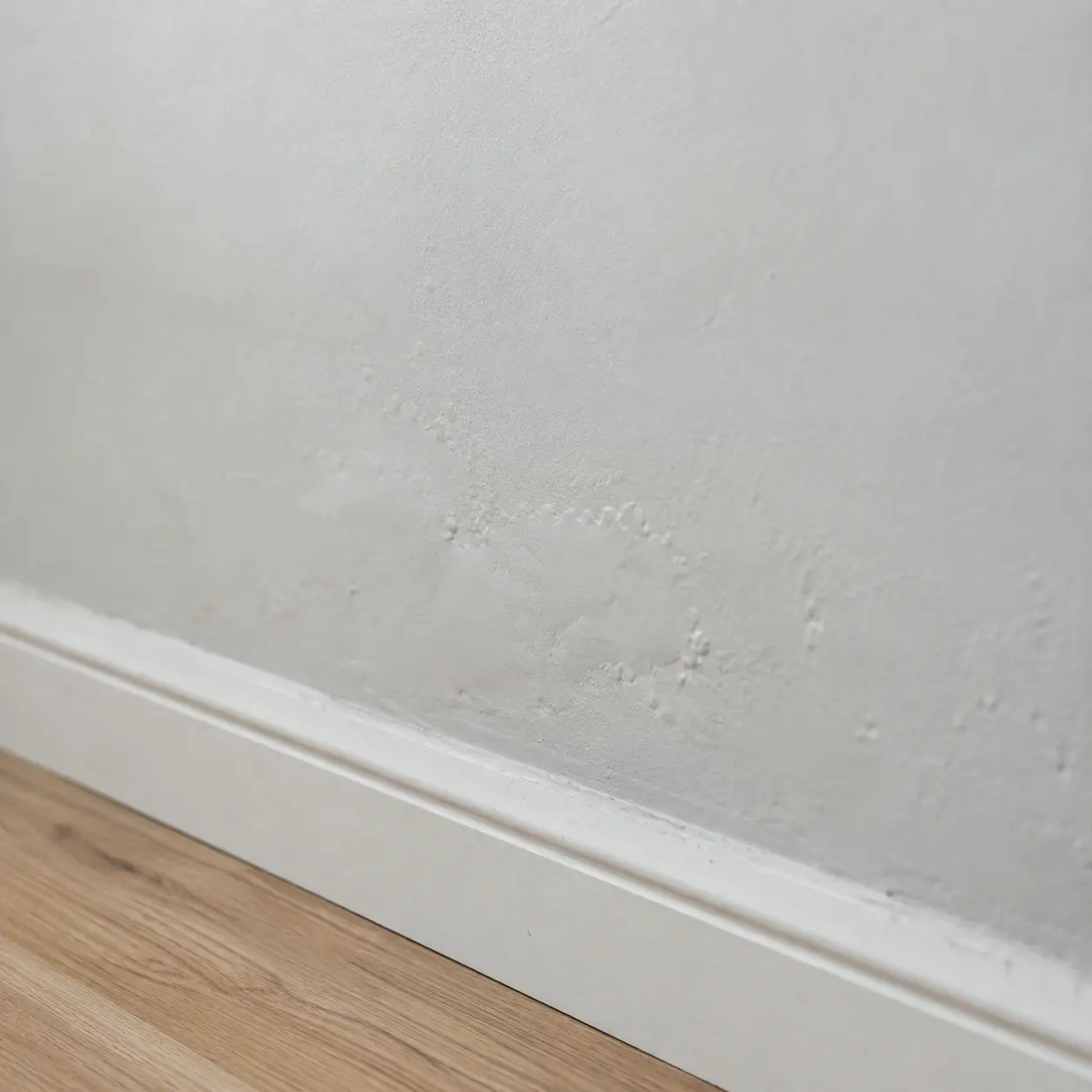
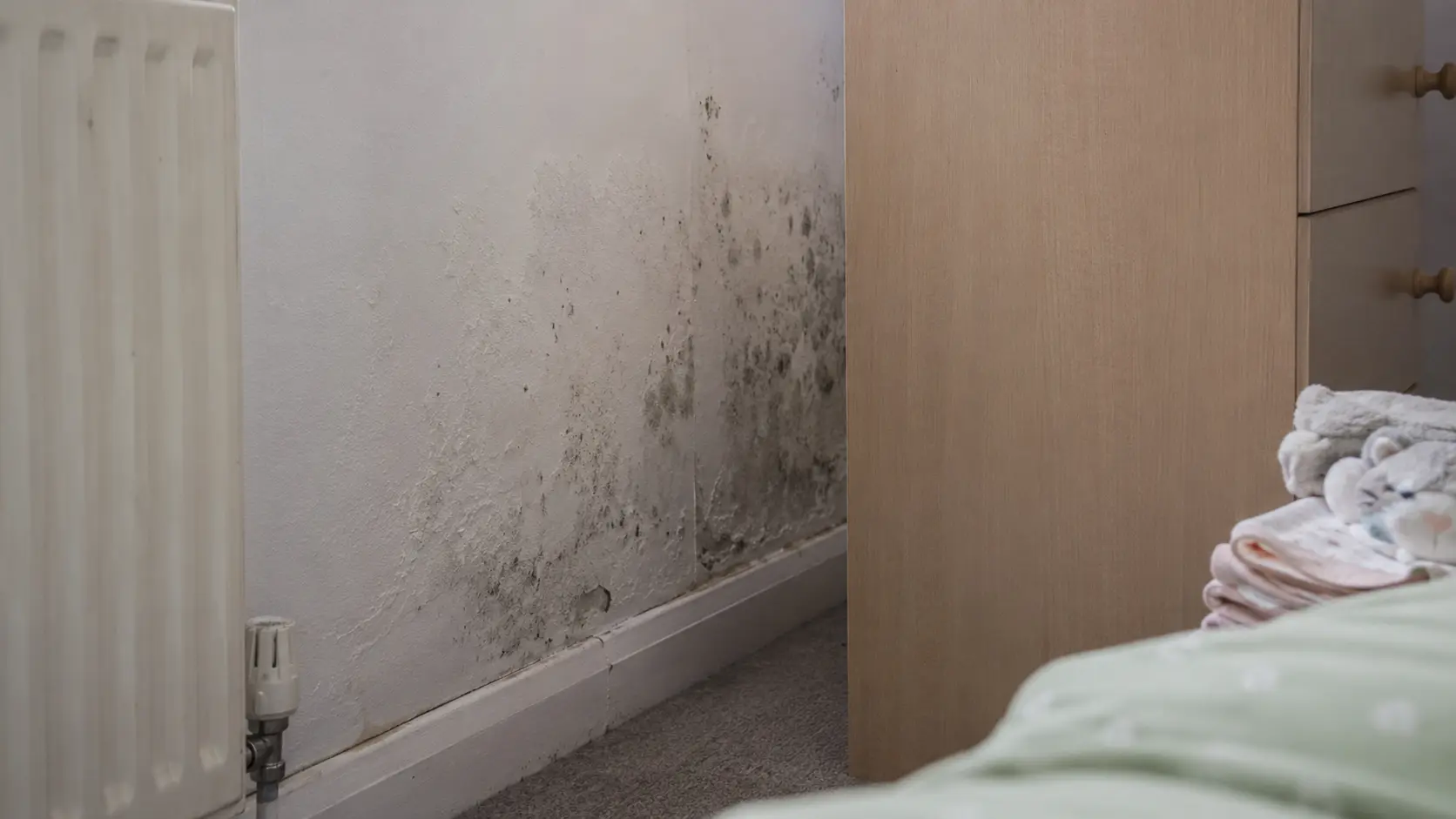
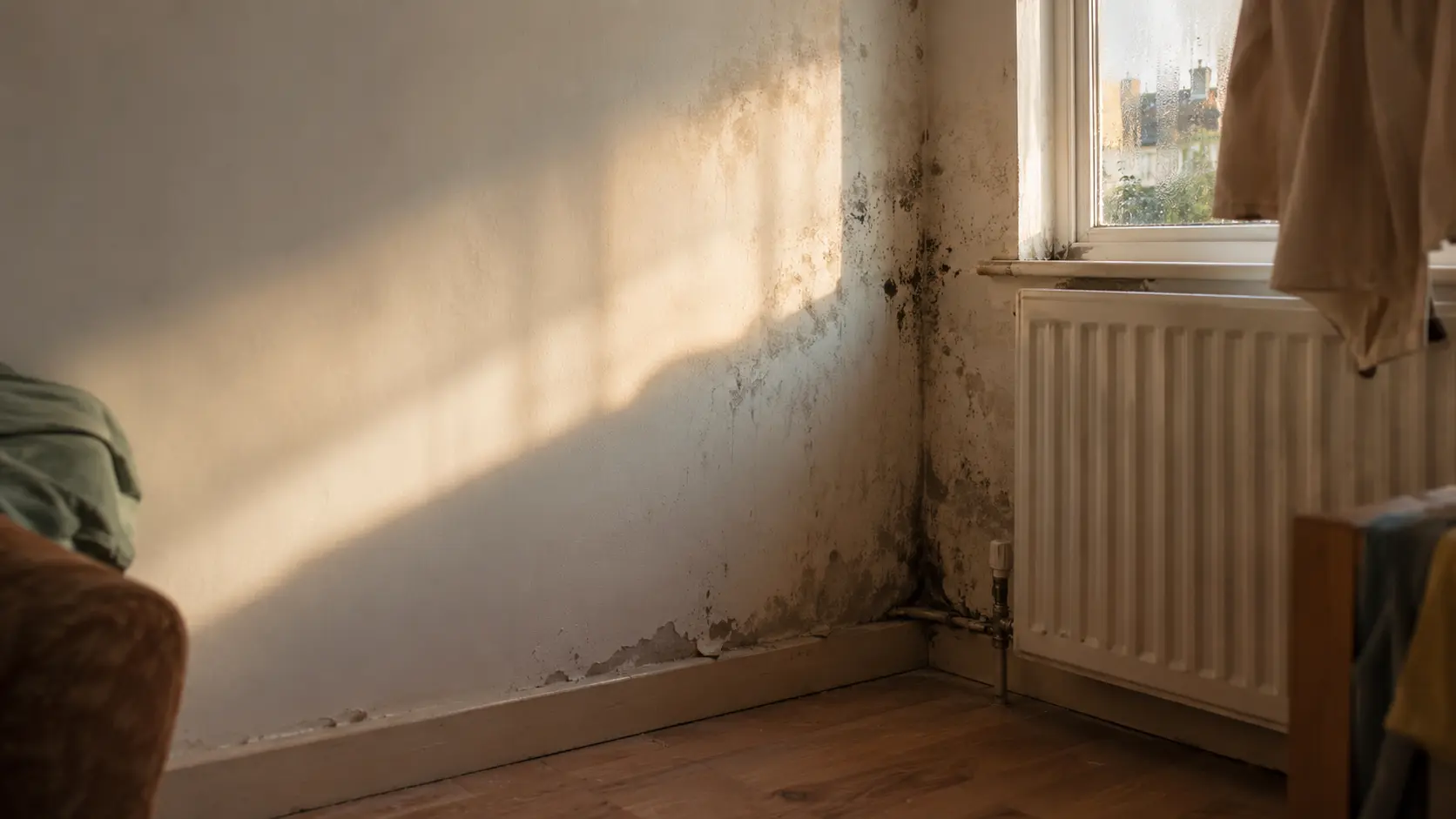
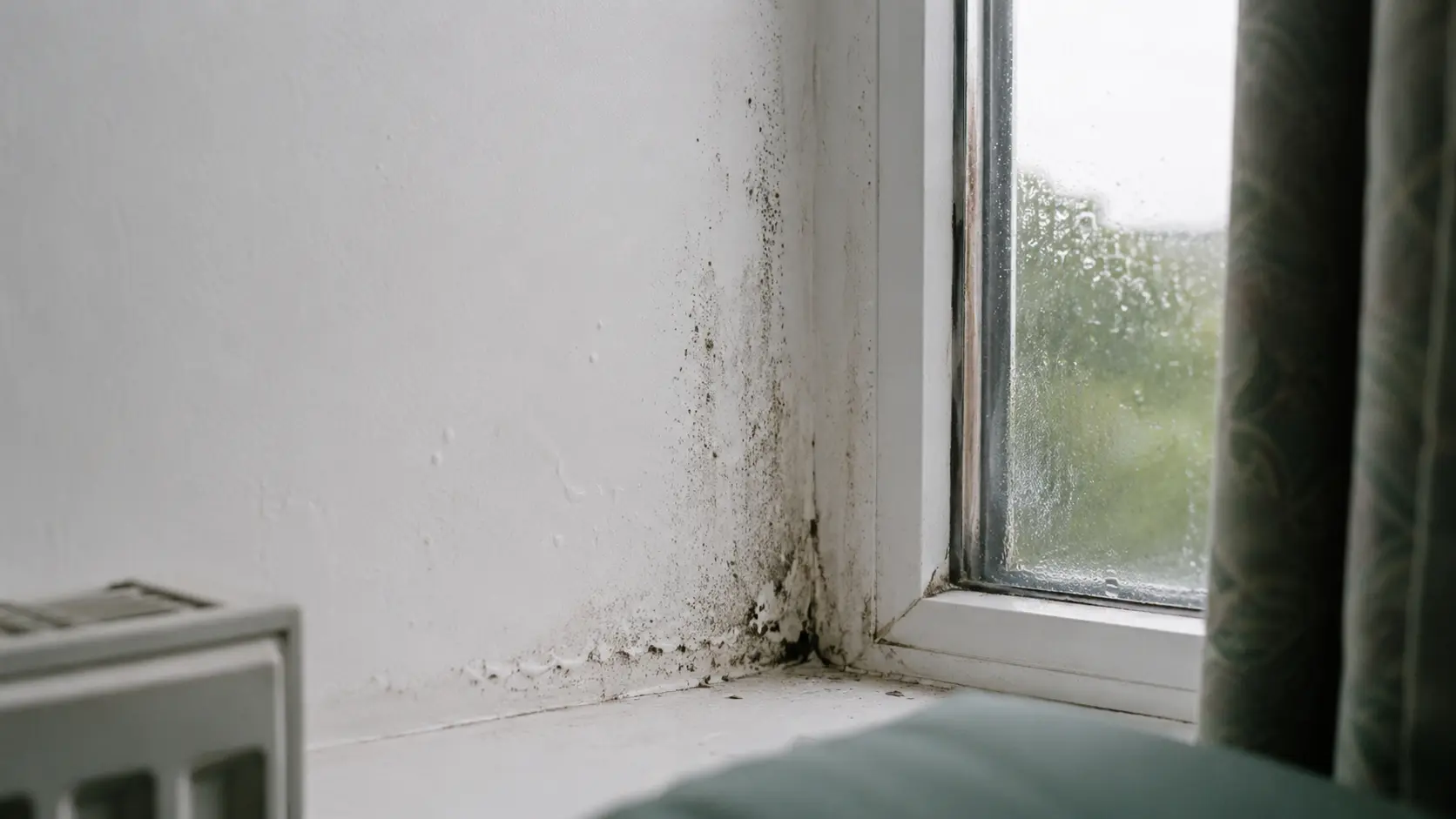
Damp in a rented home in Ireland comes in a few distinct forms, and telling them apart is the first move toward a lasting fix. Condensation streaks down cold windows and walls. Rising damp creeps up from the floor. Penetrating damp pushes in from outside through a leak or a failing wall. Each has a different repair, so an inspection that names the type is what turns a vague complaint into a clear ask.
Because the minimum standards require a rented home to be free from damp, dealing with a building cause is usually your landlord’s responsibility. The steps here help you report it in a way that gets the right work done rather than a quick coat of paint.
Before you go further
This is general guidance, not legal advice. For advice on your own tenancy, contact Threshold or Citizens Information. If anyone is in immediate danger, call 112 first.
Your plan
Four Steps to Get Damp Dealt With
STEP 1
Record the Signs
Photograph wet patches, tide marks and mould, with dates. Note where it is worst and when.
STEP 2
Report It in Writing
Ask for an inspection to identify the type of damp and a plan to fix the cause.
STEP 3
Allow a Fair Window
Give about a week for a reply. Active leaks and spreading damp deserve a quicker response.
STEP 4
Escalate If Needed
Still not sorted? A formal request, then your local authority and Threshold for advice.
Everyday and building causes
What Can You Do, and What Must the Landlord Do?
Reducing moisture day to day genuinely helps, and doing your part strengthens your case. But if the walls are cold or the ventilation is inadequate, only a building fix will stop the damp for good, and that is the landlord’s responsibility.
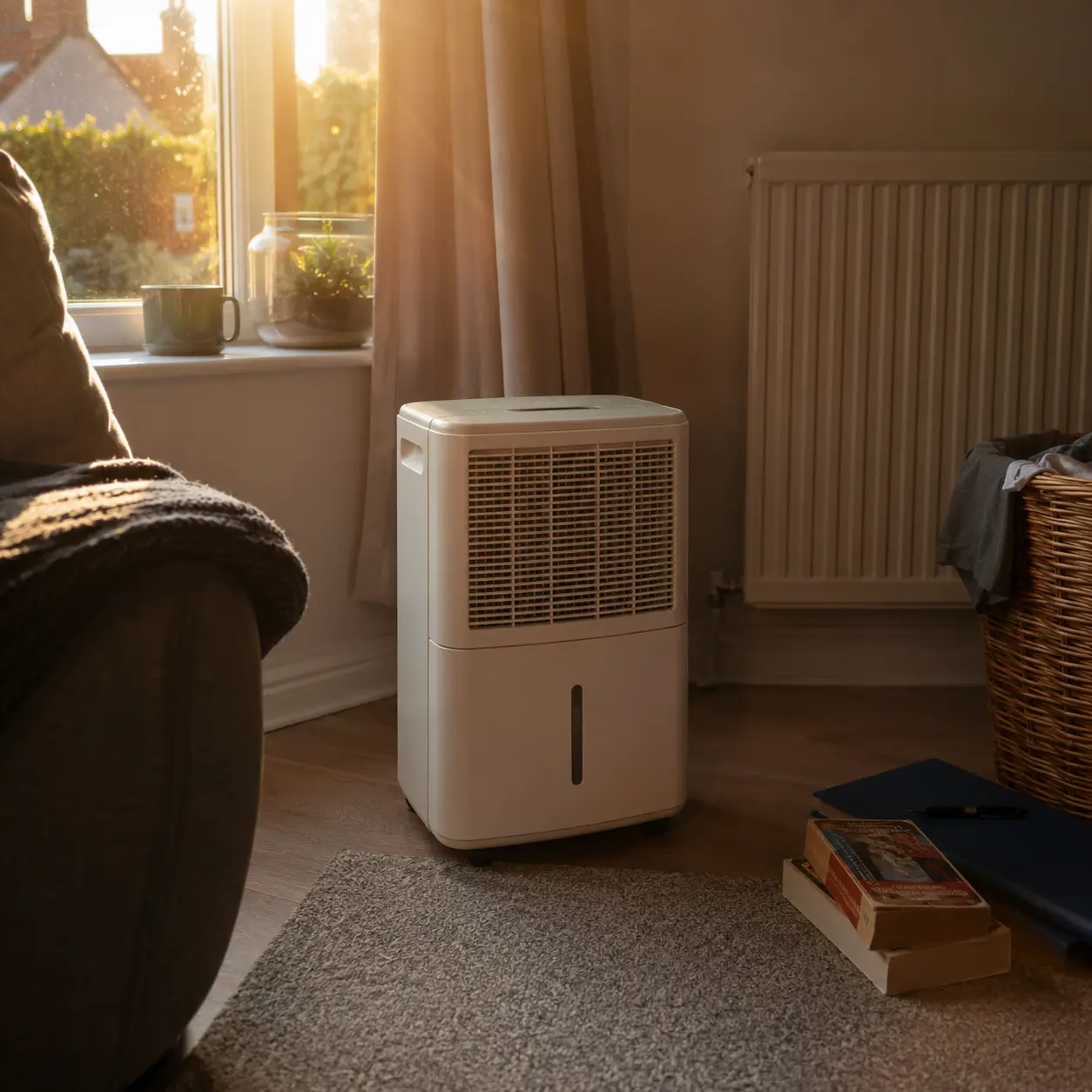
Your part: ventilate, wipe condensation, avoid drying clothes on radiators
Not sure how urgent your damp is? Get a clear answer in a minute. Check my next step
Common questions
Renting with Damp in Ireland
Whose job is it to fix damp in a rented house in Ireland?
Damp is covered by the minimum standards for rented accommodation, which require a home to be free from damp and in sound repair. Where damp comes from a building fault, treating it is your landlord’s responsibility. Report it in writing and ask for an inspection so the cause can be identified.
What is the difference between condensation, rising damp and penetrating damp?
Condensation forms when warm moist air meets cold surfaces, so it shows on windows and cold walls. Rising damp comes up from the ground through walls, usually low down. Penetrating damp comes in from outside through a leak, a crack or failed pointing. Each needs a different fix, which is why an inspection matters.
Can I fix condensation myself?
You can reduce condensation by ventilating, wiping down windows and not drying clothes on radiators, and that helps day to day. But if walls are cold or ventilation is inadequate, the real fix is a building one such as insulation or a working extractor fan, and that is the landlord’s side. Doing your bit and reporting the building cause work together.
The damp keeps coming back after being painted over. Why?
Paint, even damp-resistant paint, does not fix the source. If the wall is still cold, still leaking or still drawing moisture from the ground, the damp returns. A lasting fix deals with the cause, then makes good the surface. Recurring damp is a sign the root problem was never addressed.
Is damp bad for my health?
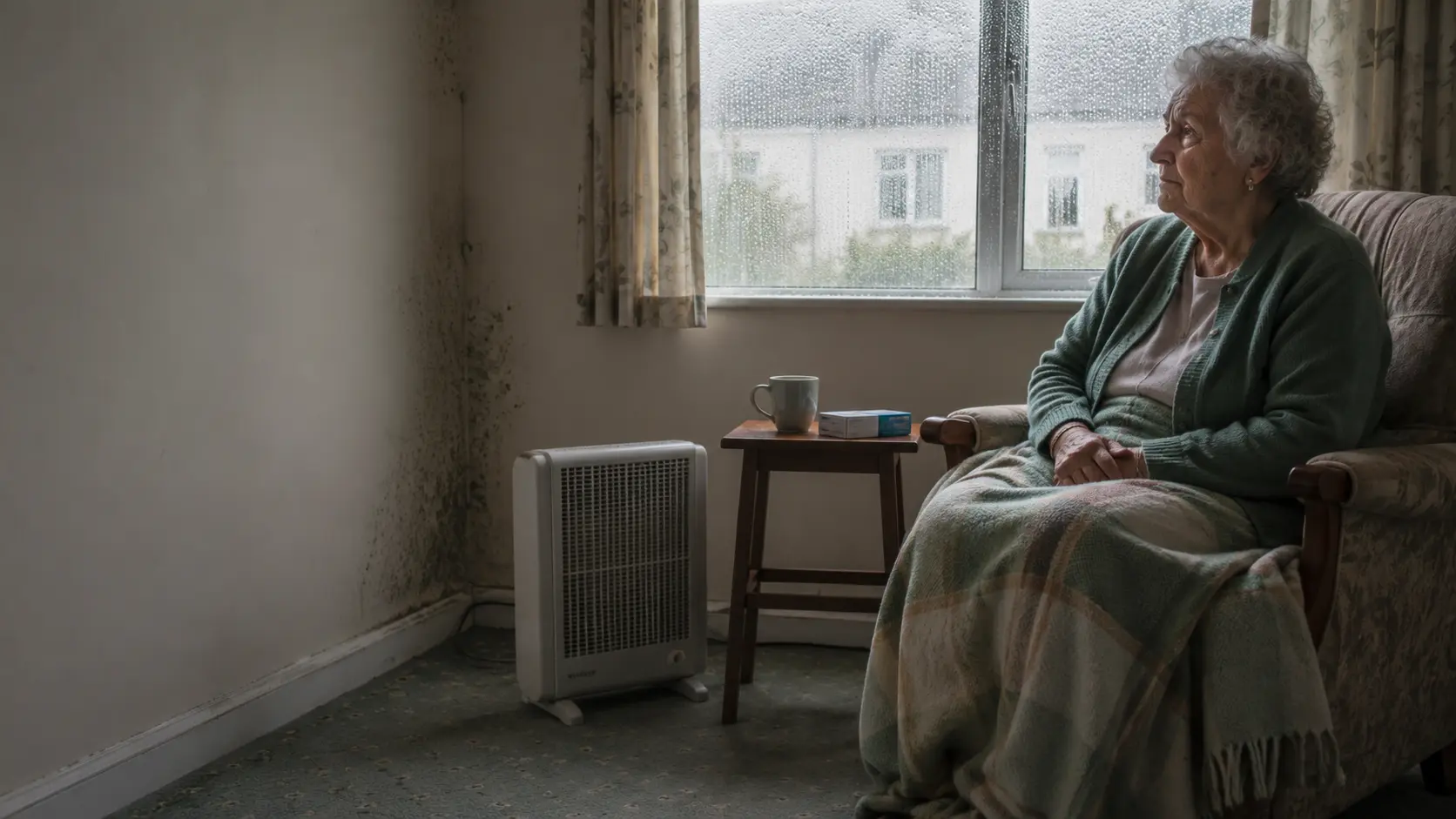
Damp conditions encourage mould, which can affect breathing, especially for children, older people and anyone with asthma or allergies. If anyone’s health is affected, note it in your report and speak to a GP. The mould and damp checker can help you judge how urgently to act.
How quickly should damp be dealt with?
A first written report deserves a reply within about a week. If there is no response or plan, a formal request with a clear deadline follows. Where damp is spreading, affecting health, or coming from an active leak, it is reasonable to ask for faster action and to escalate sooner.