You reported the problem, you waited, and you heard nothing. Silence is not the end of the road. Here is the calm, documented sequence that turns no reply into real action.
Free to use · Guidance and tools, not legal advice
Last updated 8 July 2026

Start here
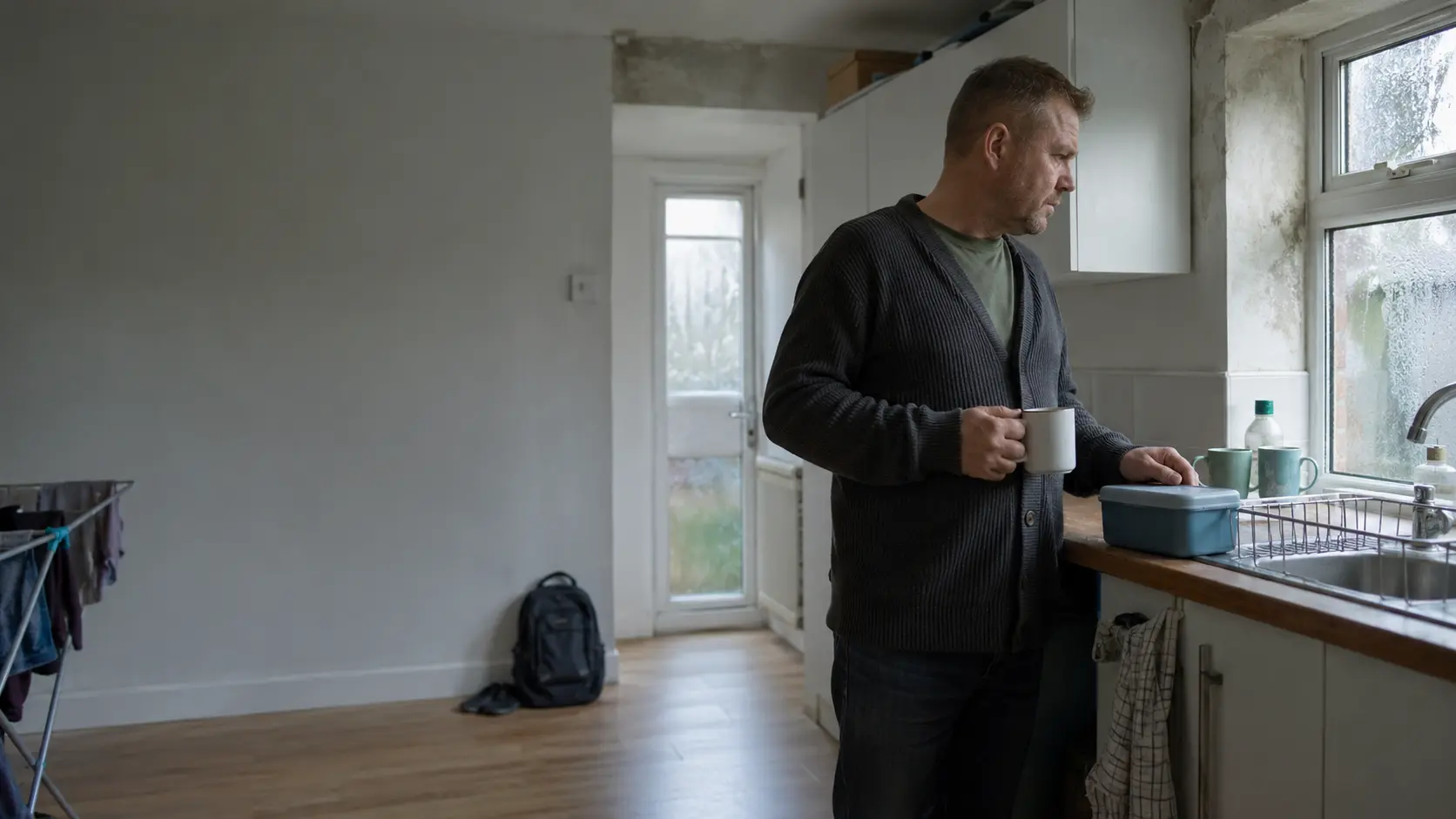
A landlord not responding is one of the most common and most frustrating situations renters face, and it is also one of the most winnable, because every ignored message quietly builds your case. Each dated written request that goes unanswered is evidence that you acted reasonably and were met with silence. That is precisely what a local authority inspector, a Threshold adviser or an RTB adjudicator will want to see.
So the goal is not to send more and louder messages. It is to send the right few, keep every one, and move up a clear ladder of steps until someone with authority steps in. The sequence below is that ladder.
This is general guidance, not legal advice. For advice on your own tenancy, contact Threshold or Citizens Information. If anyone is in immediate danger, call 112 first.
The sequence
STEP 1
Reference your first report, restate the problem, and set a clear 10 to 14 day deadline in writing.
STEP 2
A last written chance to resolve it directly, summarising the timeline and naming the next steps.
STEP 3
Ask your council’s housing standards section to inspect. They can act regardless of the landlord.
STEP 4
Get advice from Threshold, and consider the RTB dispute route for unresolved standards issues.

Keep it clean
The tenants who win are rarely the angriest. They are the ones whose messages stay polite and factual, because that tone is what protects them and what makes outside help easy to give. Anger in writing can be turned against you, so let the record speak instead.
Common questions
You are not stuck. After a written report and a formal follow-up with a deadline, you can ask your local authority housing standards section to inspect the property, get advice from Threshold or Citizens Information, and consider the Residential Tenancies Board dispute route. Silence from a landlord does not close the path, it just moves you to the next step.
A friendly first report, then a formal written request with a clear deadline, is usually enough before you bring in outside help. You do not need to send endless messages. Two or three clear, dated written contacts with fair windows to respond show you gave every reasonable chance, which is exactly what an inspector or adviser wants to see.
For your purposes, promises with no action are much the same as silence. Keep putting the agreed repair in writing with the date it was promised, and treat a missed deadline as your cue to step up. A pattern of promises and no delivery, all documented, strengthens your case.
There are protections against penalising a tenant for asserting their rights, and a home that meets minimum standards is your right. Keeping everything factual, written and reasonable protects you. If you are worried about your tenancy or receive a notice, get advice from Threshold straight away.
A text message is a written record, and so is a message through a letting app. If you can, send an email as well. If you only have a postal address, a letter sent with a free certificate of posting from An Post proves you sent it. The letter generator produces text you can use in any of these.
Yes. Keep paying your rent in full. Withholding rent without advice can put your tenancy at risk and undermines an otherwise strong case. Apply pressure through written requests and escalation instead, and get advice before considering anything to do with your rent.
Keep going
Guide
The full route: local authority, Threshold, Citizens Information and the RTB.
Tool
Generate the formal follow-up and final notice.
Guide
Pull your record together before you escalate.
Guide
Back to the basics of a clear repair request.
Every home should be safe to live in
When a landlord is not responding, the next written step keeps your case moving and your record strong. Generate your formal follow-up now, free and private.