In immediate danger from your housing? Contact emergency services first ›

How to Escalate a Housing Problem

You have reported it, followed up, and still nothing. Now you bring in people with the authority to act. Here is who does what, and the order to approach them in.

Free to use ยท Guidance and tools, not legal advice

Last updated 8 July 2026
Start here

How to Escalate a Housing Problem, Calmly and in the Right Order

Knowing how to escalate a housing problem is what stops a stalled repair from dragging on for months. Once you have given your landlord clear written chances to act and a fair deadline has passed, you are entitled to bring in outside help, and there is a sensible order to it. Start with the body that can inspect and enforce, get advice alongside it, and keep the RTB dispute route for where it fits.

None of this is about conflict. It is about moving your documented, reasonable request in front of someone who can require the home to be brought back to standard. Because you have kept a record at every step, escalation is simply handing that record to the right people.

Before you go further

This is general guidance, not legal advice. For advice on your own tenancy, contact Threshold or Citizens Information. If anyone is in immediate danger, call 112 first.

Who to contact

Your Escalation Routes, and When Each One Fits

Your Local Authority

The housing standards section of your council enforces the minimum standards for rented homes and can inspect a property that falls below them. This is usually the strongest route for damp, mould and repair standards, and it works whether or not your landlord engages. Contact them with your address, a description of the problem and your evidence.

Best for standards and repairs

Threshold

A national housing charity offering free, confidential advice to renters. If you are unsure of your rights, worried about your tenancy, or want to know the best next move for your exact situation, Threshold is often the ideal first call for tailored guidance.

Best for advice on your rights

Citizens Information

Clear, free public information on tenant rights, minimum standards and where to turn. A good place to understand the system and confirm the route that fits, with offices around the country and a phone service.

Best for understanding the system

The RTB

The Residential Tenancies Board provides rights information and a dispute resolution service. Where a repairs or standards issue cannot be resolved directly, the RTB route may apply. Prepare your timeline and evidence, and take advice on whether it suits your case before you begin.

Best for formal disputes
Need to contact your local authority? Generate a clear report to send. Build my letter
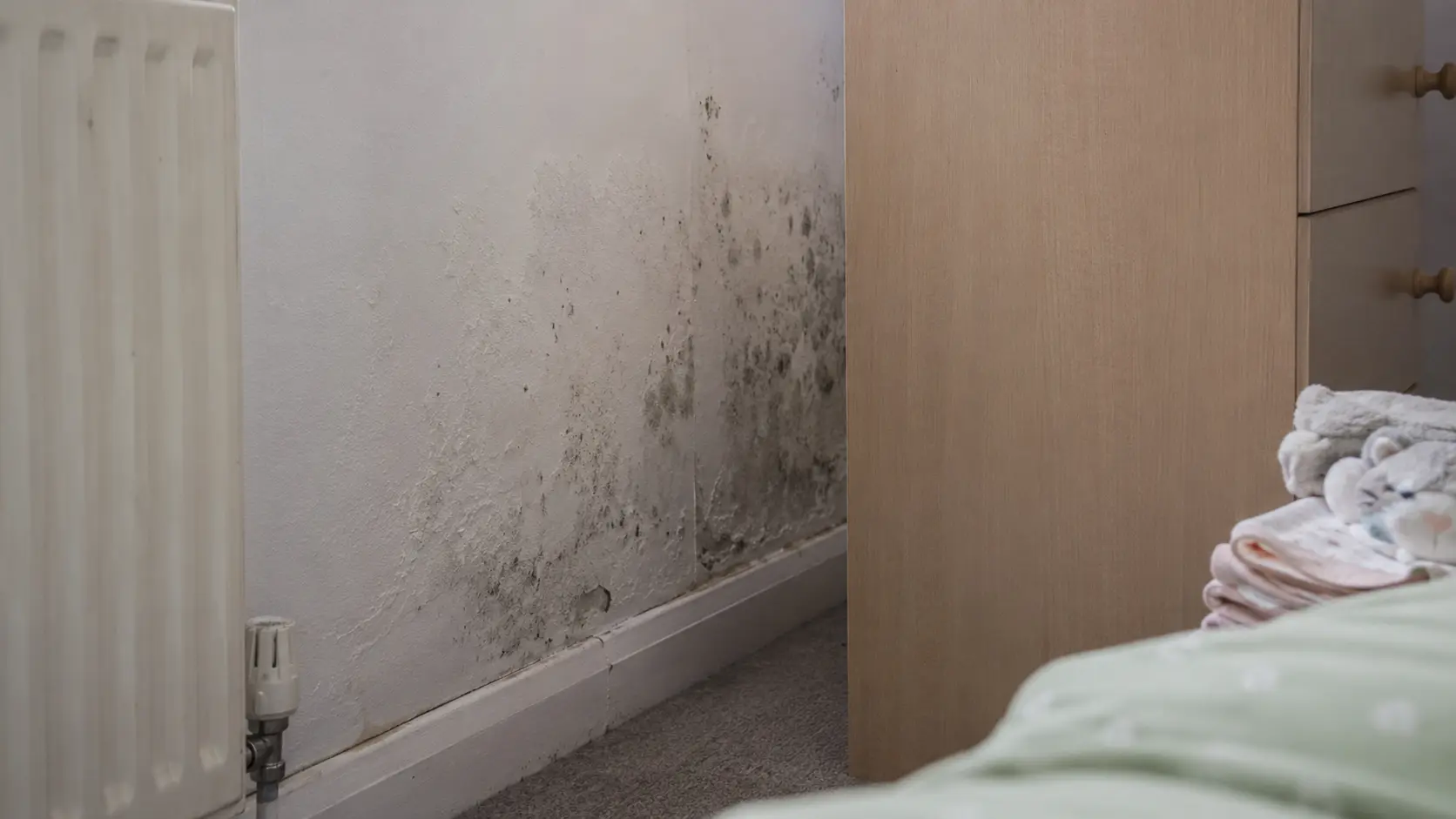
Mould on a bedroom wall revealed behind furniture in a rented home

A note on safety and advice

When Should You Get Advice, and When Should You Act Fast?

Escalation works best when it is measured. For anything that puts health or safety at immediate risk, do not wait for the normal process. And before any formal move involving your tenancy or your rent, get advice first so you stay on solid ground.

  • Immediate danger such as gas, sewage or unsafe electrics: act now, call 112 if anyone is at risk
  • Get advice from Threshold or Citizens Information before formal steps
  • Keep paying your rent throughout, and keep everything in writing
Check how urgent yours is

Common questions

Escalating a Housing Problem in Ireland

When should I escalate beyond my landlord?

Escalate once you have reported the problem in writing, given a fair deadline in a formal follow-up, and still have no meaningful action. If health or safety is at immediate risk, escalate straight away. The point of escalation is not to punish anyone, it is to bring in someone with the authority to get the home back to standard.

What does the local authority do about rented housing?

Local authorities enforce the minimum standards for rented accommodation. If you believe your rented home is below standard, you can ask the housing standards section of your council to inspect it. They can require a landlord to carry out works. This route is available whether or not your landlord engages with you.

What is Threshold and how can it help?

Threshold is a national housing charity that gives free, confidential advice to renters on their rights, repairs, standards and disputes. If you are unsure of your position or worried about your tenancy, Threshold is often the best first call for tailored advice on your specific situation.

What is the RTB and when would I use it?

The Residential Tenancies Board provides information on tenant and landlord rights and runs a dispute resolution service. Where a standards or repairs issue cannot be resolved directly, the RTB route may be appropriate. Prepare your timeline and evidence first, and get advice from Threshold or Citizens Information on whether it fits your case.

Can I contact my local TD or councillor?

Yes, respectfully and as part of a documented process, a local representative can help you navigate agencies, especially where a vulnerable person is affected or a public body is involved. Keep any contact factual, share a clear case summary, and treat it as support in navigating the system, not a replacement for the proper routes.

Will escalating make things worse with my landlord?

Using the proper channels is your right, and there are protections against being penalised for asserting it. Keeping everything factual and documented is what keeps you on solid ground. Most cases are resolved by the standards process itself. If you receive any notice or feel pressured, get advice from Threshold immediately.

Keep going

Where to Go Next

Every home should be safe to live in

Take the Next Step in Your Escalation Tonight

Knowing how to escalate a housing problem is only half of it. Generate the written report you need for your landlord or local authority now, free and private.