Mould, damp and repairs your landlord will not fix are some of the most common problems renters in Ireland face. Document the issue, contact the right people, and track every step until there is a clear outcome.
Free to use ยท Guidance and tools, not legal advice
Most renters already know something is wrong long before they do anything about it. What stops people acting is rarely a lack of rights, it is not knowing the next concrete step, or not having the time to put a problem into writing properly. A message that never makes it onto paper is easy for a landlord or agent to forget, and easy to deny was ever raised.
SafeHousing does not ask you to become an expert in tenancy law before it helps. It breaks the process into a small number of concrete actions, in the right order, so you always know what today’s task is rather than facing the whole situation at once. Each tool works the same way. Answer a few plain questions, and you get something you can act on immediately, whether that is a photo checklist, a letter ready to send, or a clear next step when you feel stuck.
Mould, damp and repairs are also treated differently depending on the cause, so the guidance underneath each tool is specific rather than generic. A cold-wall condensation problem is not fixed the same way as a leak from above, and a landlord who has gone quiet needs a different message than one who has just been asked for the first time. SafeHousing routes you to the right version of each step, not a one-size-fits-all script.
Your plan
You approve every message before anything is sent, and nothing is saved unless you choose to keep it.
A guided evidence checklist turns your photos, dates and notes into a case file.
We draft a calm, factual letter to your landlord or agent. You review and send it.
Reminders track deadlines, so silence never quietly ends your case.
When it’s time, we route you to your local authority, the RTB, Threshold or Citizens Information.
Evidence
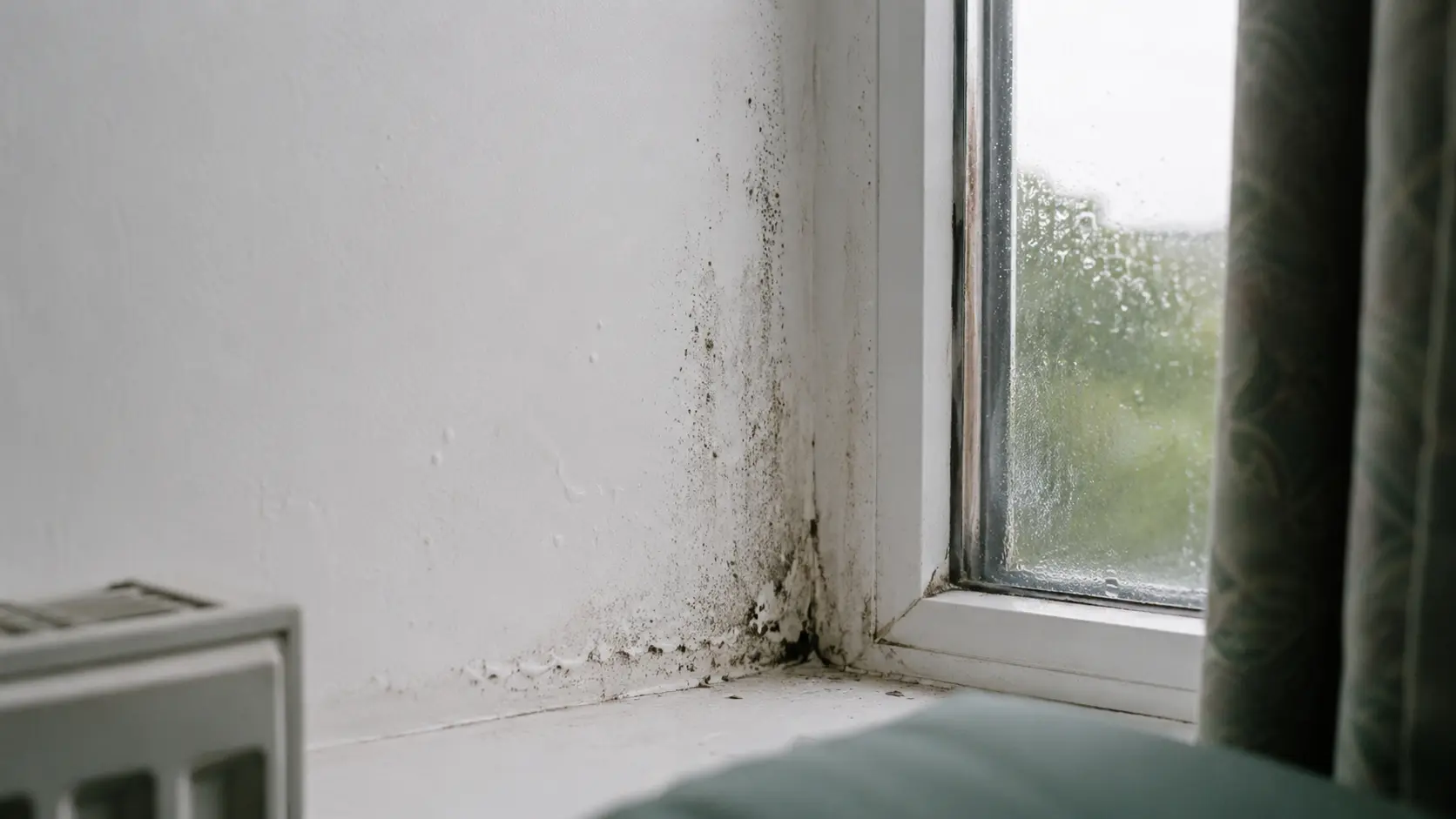
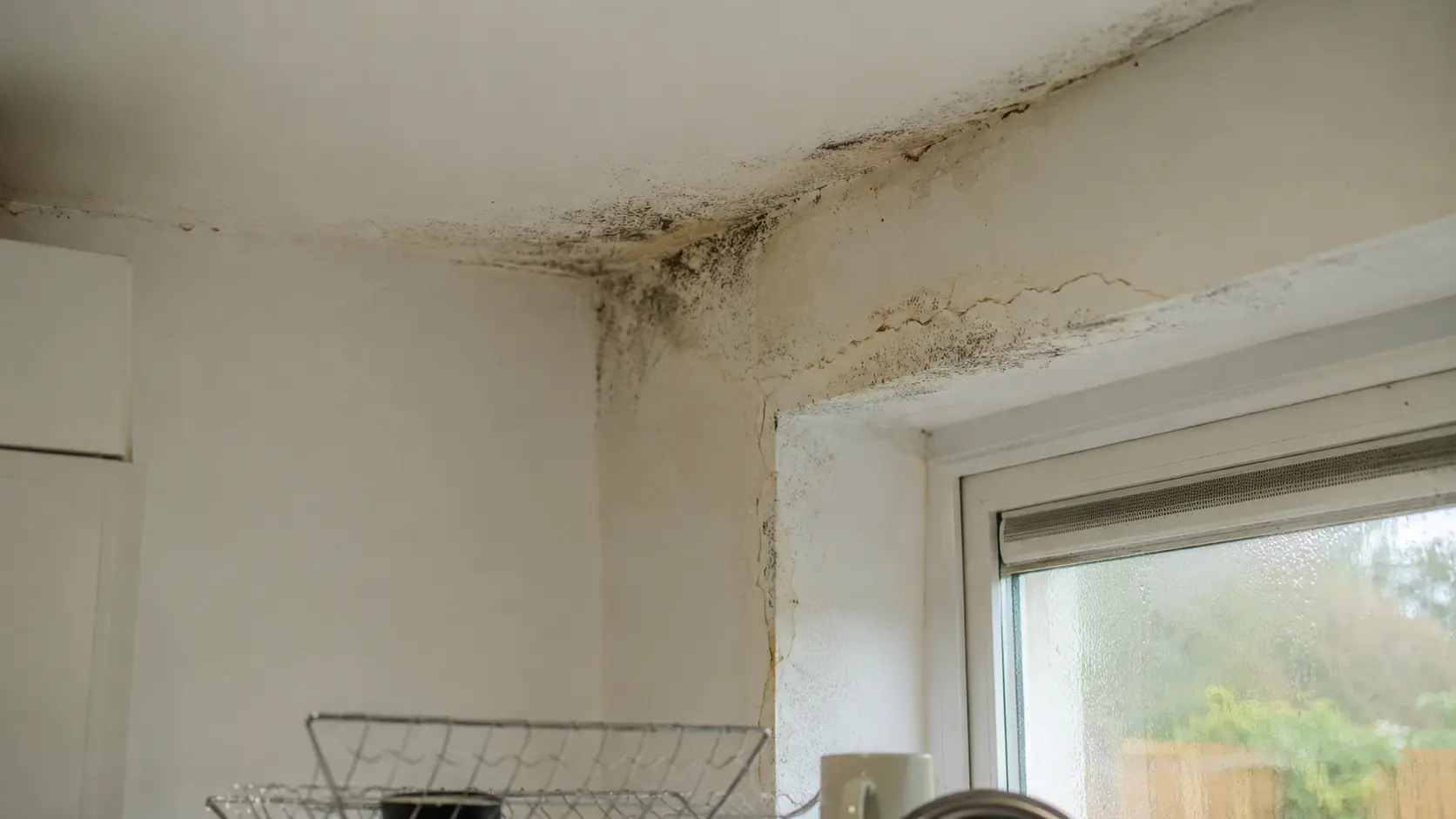
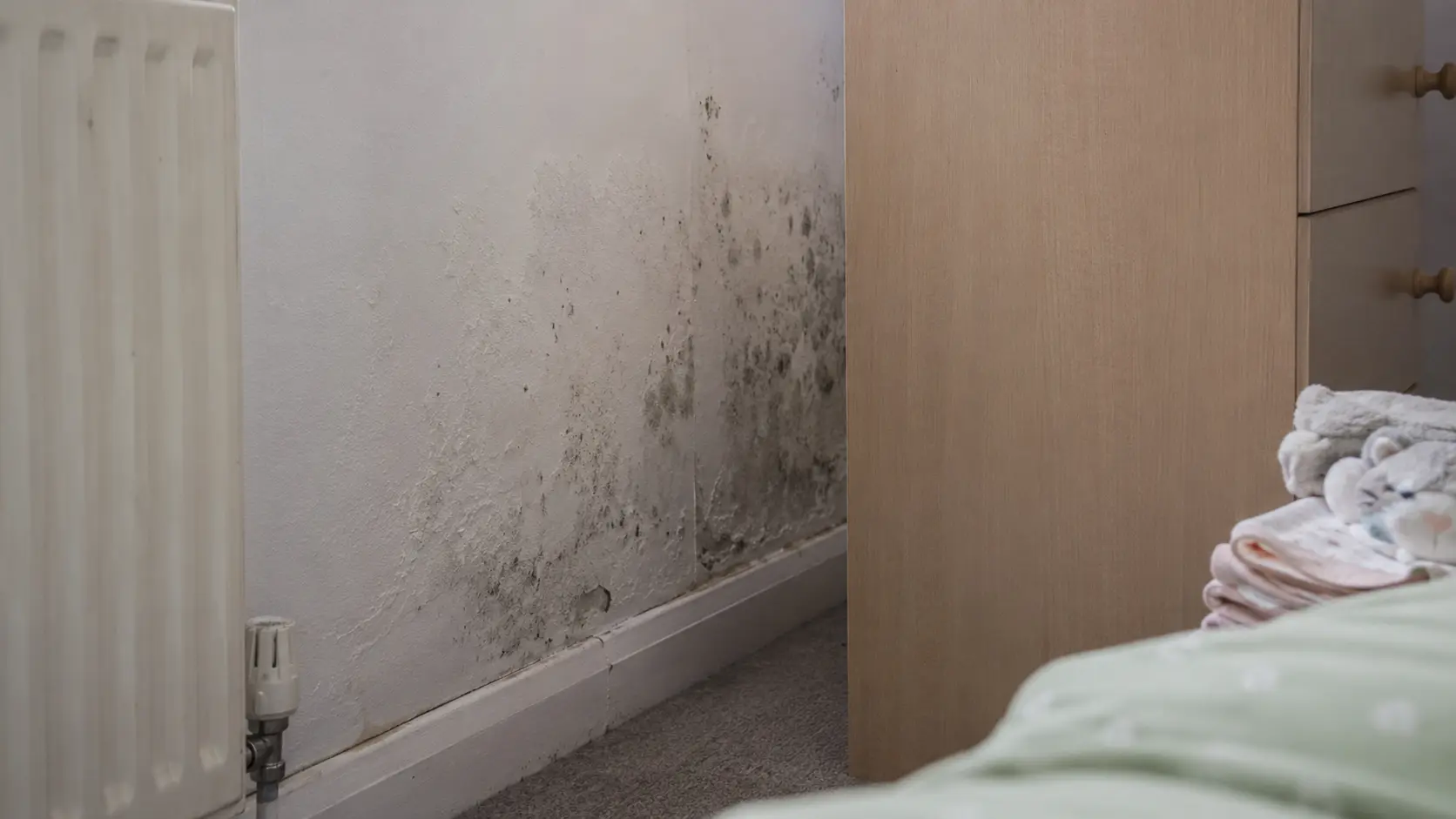
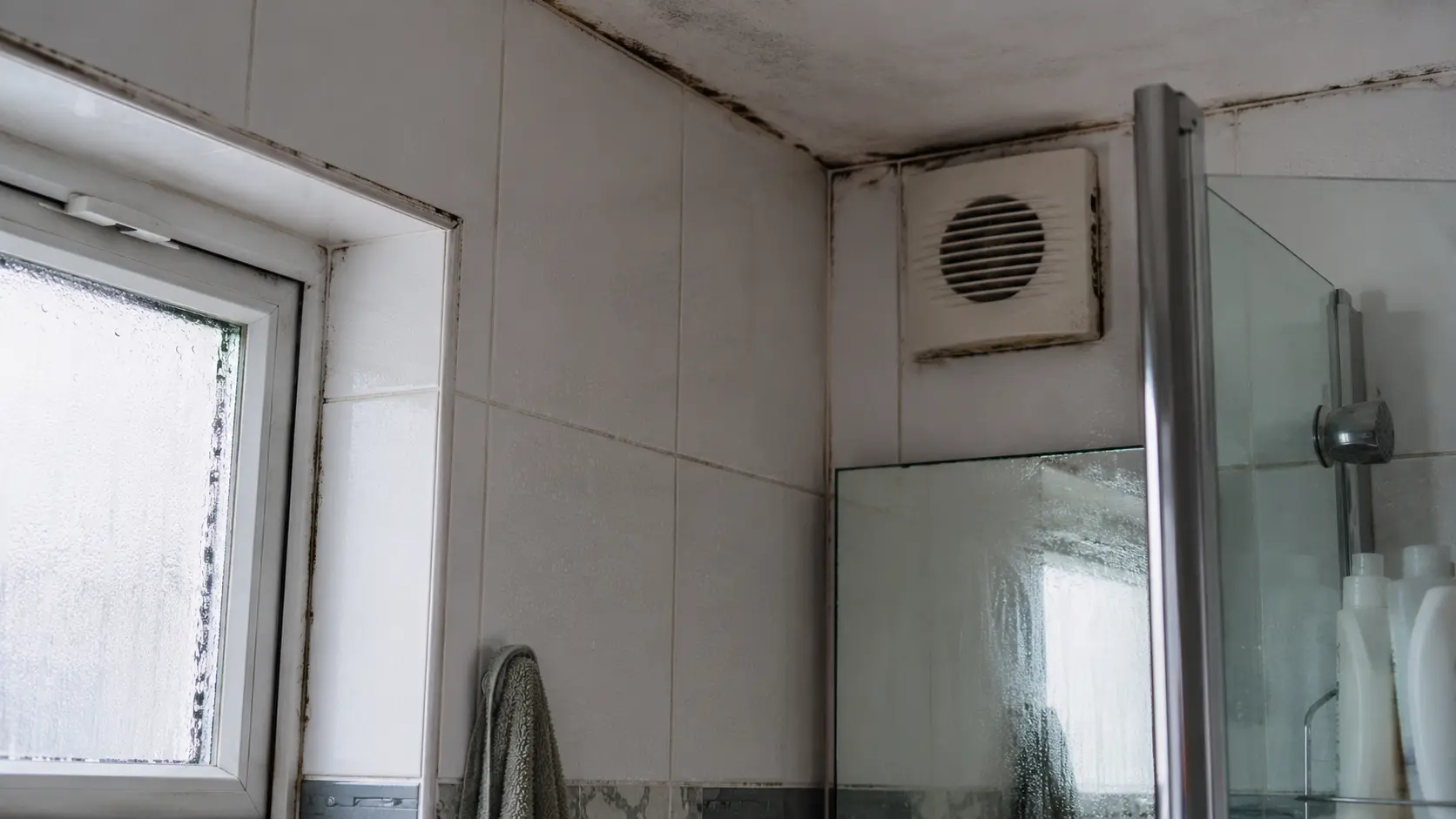
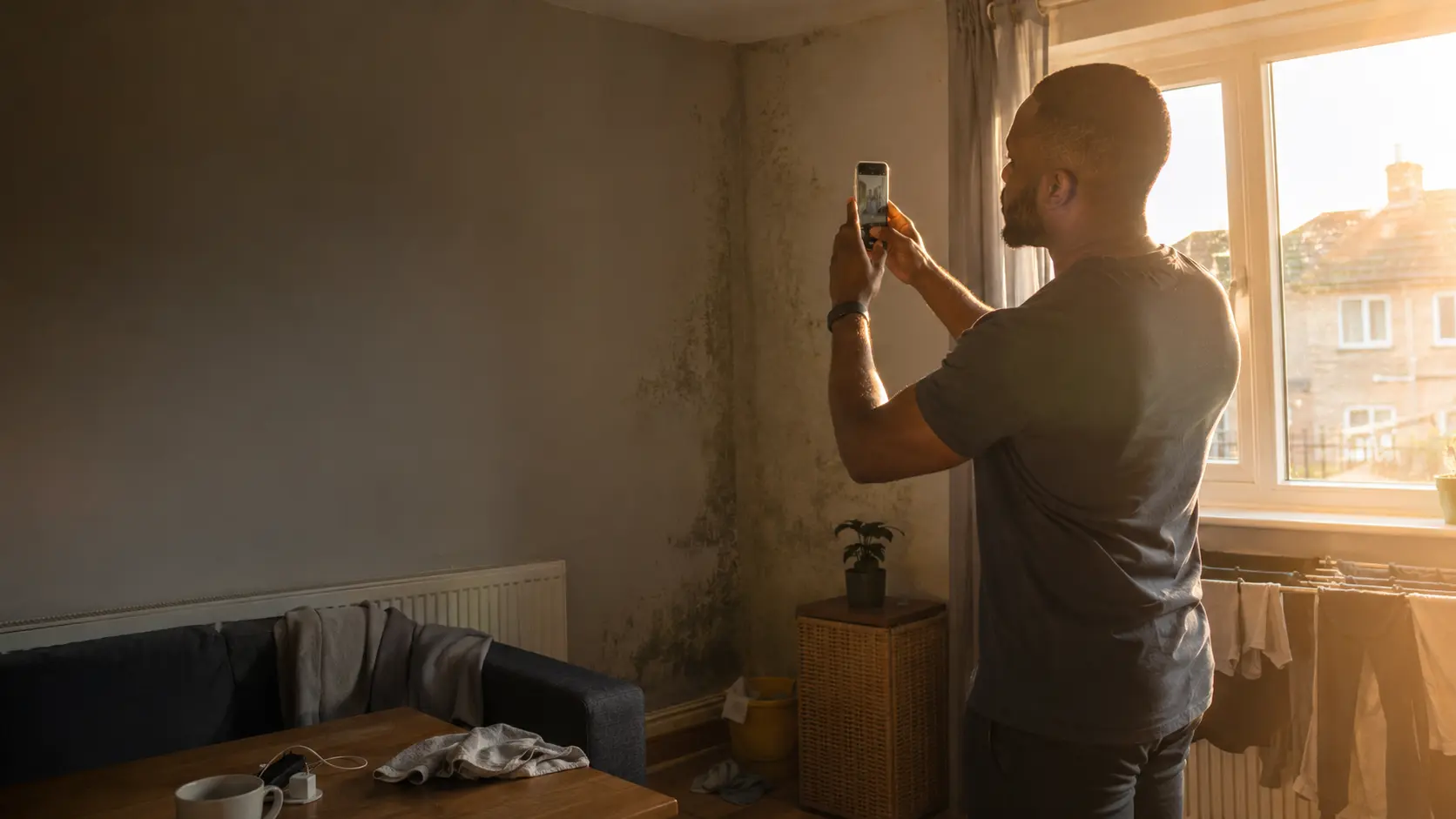
Mould and damp rarely announce themselves all at once. They start small, in the places you would not think to check, and by the time the problem is obvious it has usually been spreading for weeks. A photo taken early, with the date attached, is what turns a vague complaint into a documented case a landlord or local authority cannot easily wave away.
Letter generator
Writing to a landlord about mould, damp or a repair is easy to get wrong under pressure, either too soft to be taken seriously or heated enough to work against you. The letter generator answers a few plain questions and turns your case file straight into a calm, factual draft.
From a friendly first report to a formal repair request to a final notice, each letter is built from your case file: dates, photos, previous contact. Factual, calm, and yours to approve before anything is sent.
Dear Ms. Kavanagh,
Further to my report of 3 July regarding mould in the bedroom of 14 Riverside Court, the issue remains unresolved and has spread to the window wall. I have attached six date-stamped photographs.
I am requesting a written response with an inspection date within…
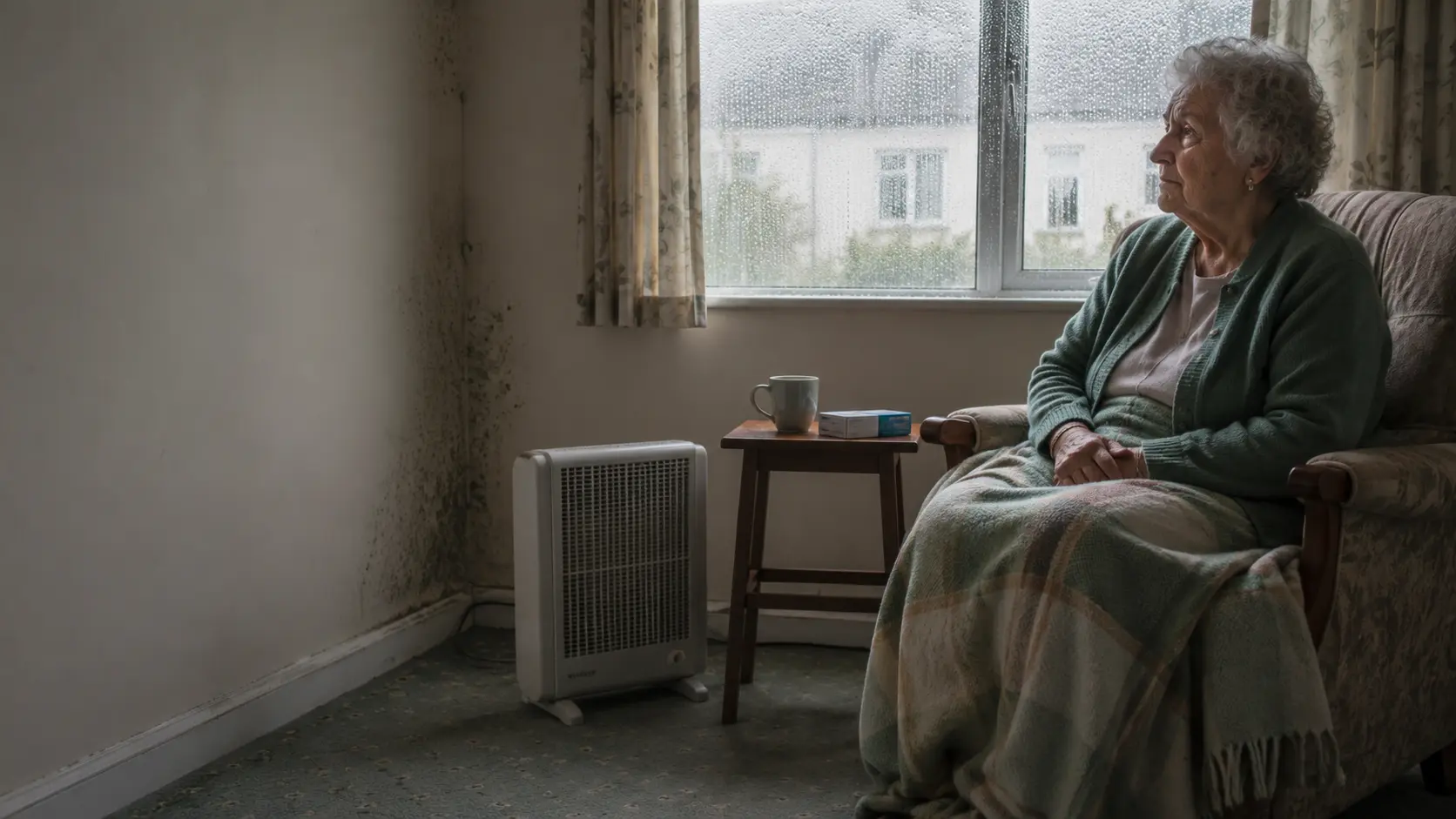
Mould, damp and repair problems land on anyone renting in Ireland, from young families in a first tenancy to older tenants on a fixed income, students sharing a house, and new arrivals still learning how the system works here. Each faces the same landlord and the same tenancy law, just from a different starting point, and often with less time or confidence to push back than the situation calls for.
SafeHousing does not ask who you are before it helps. Renters, families, older people and students all use it the same way. Anyone helping them, a family member, a carer or a support worker, can be invited into the case too, so no one has to face it alone.
In practice
Three habits carry most of the weight: document properly, keep following up, and let someone else in on it. None of them are complicated, but doing all three consistently is what separates a housing problem that gets fixed from one that quietly drags on for months.
None of this requires special knowledge, just a habit of doing the small thing today rather than the big thing eventually. A photo taken this evening is worth more than a perfect report written in three weeks. A short written reminder sent on the day a deadline passes is worth more than a strongly worded message sent a month later. The renters who get results are rarely the most persistent arguers, they are the ones with the clearest record.
SafeHousing helps you build the case yourself. When you want to talk it through with someone, a small number of free, independent services cover almost every situation.
The main national charity for renters in Ireland, with a free phone line for anything to do with a tenancy going wrong.
1800 454 454
The state's general public information service, useful for understanding exactly where your case sits in tenancy law.
0818 07 4000
The body that can actually send someone to inspect a rented home that falls below minimum standards.
Council contact details, local advice services and rent rules can differ by county. Find yours in under a minute.
Find your county ›Start by reporting it in writing with photos and the date, then give a fair window for a reply before following up formally. The mould and damp checker walks you through this in a few minutes and tells you exactly what to do next.
Yes. Landlords must keep a rented home to the minimum standards for rented accommodation, covering the structure, heating, damp, ventilation and any appliances they provided. If a repair falls below that standard, fixing it is their responsibility.
Silence is not the end of the road. A formal follow-up with a clear deadline, then your local authority or the RTB, keeps a case moving even when a landlord goes quiet. The escalation guide sets out the full sequence.
Yes. Every tool and guide on SafeHousing is free, with no account and no sign-up required.
No. SafeHousing drafts letters and reminders for you, but you always review and send them yourself, by whatever method you choose.
Threshold and Citizens Information both give free, independent advice on tenancy issues, and your local authority housing standards team can inspect a home that falls below the legal minimum. SafeHousing helps you build the case, and these services can advise on it.
Ten minutes is enough to document the issue and get a clear next step, whether you are dealing with mould, damp or repairs in a rented home in Ireland.